Are you frustrated by male plants showing up when you’re aiming for females? If you want to maximize your harvest and avoid wasting space and resources, knowing how to make a male plant female can be a game-changer.
Imagine turning those unwanted males into productive females that produce buds instead of pollen. You’ll discover simple and effective techniques to alter your plant’s sex, boost your yield, and take full control of your grow. Keep reading, because transforming a male plant into a female might be easier than you think—and it could save your entire crop.
Sex Differences In Plants
Plants have distinct sexes that affect their growth and reproduction. Understanding these differences helps growers manage crops better. Male and female plants show unique traits that impact yield and quality. Knowing how to identify these traits is essential for effective cultivation.
Male Vs Female Plant Traits
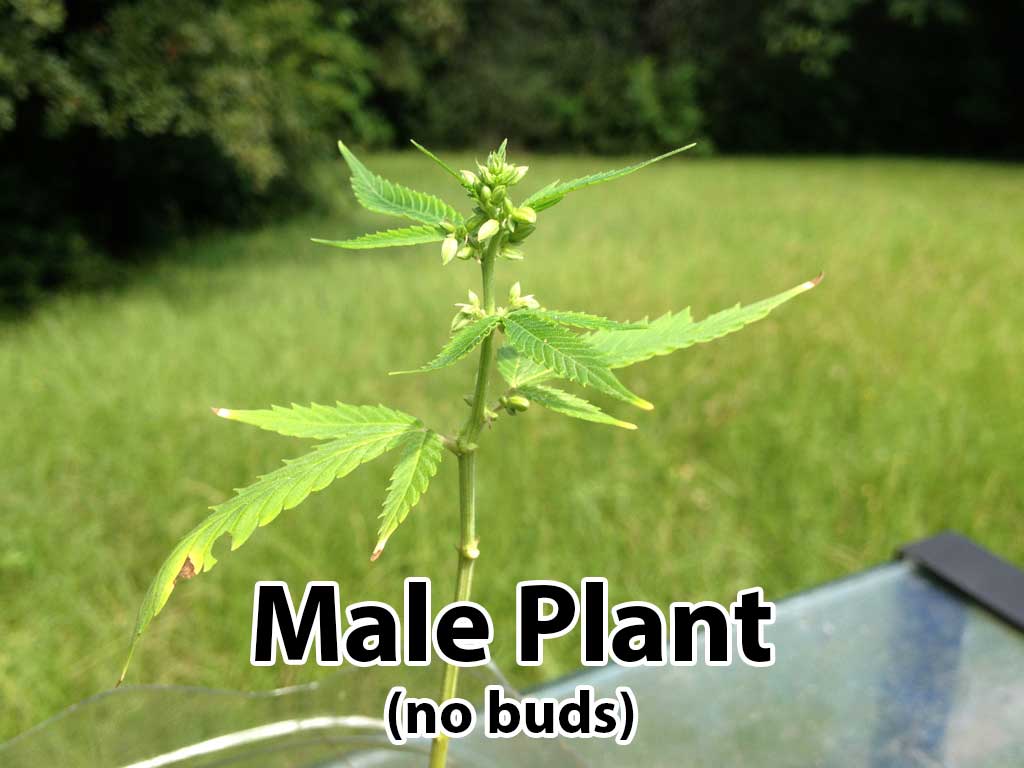
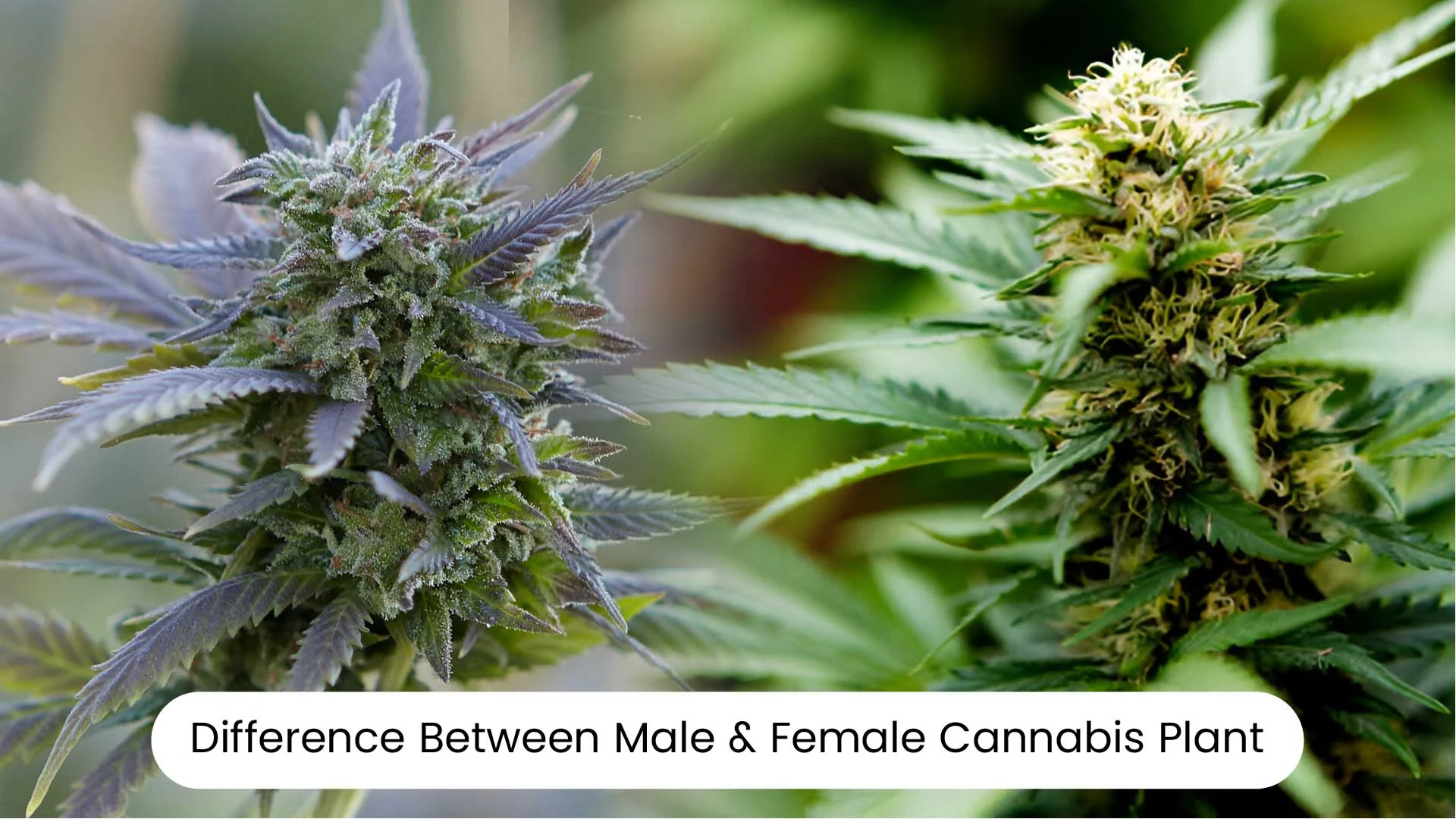
Male plants usually have pollen sacs that release pollen. These sacs look like small balls clustered on stems. Female plants develop flowers with pistils, the parts that catch pollen. Female flowers often have white hairs called stigmas. These traits help growers tell sexes early. Male plants tend to grow taller and have fewer leaves. Female plants focus energy on flower production and resin development. Recognizing these differences guides plant care and harvesting decisions.
Why Gender Matters In Cultivation
Gender influences the quality and quantity of harvest. Female plants produce buds rich in cannabinoids and oils. Male plants do not produce buds but spread pollen to fertilize females. Fertilized females produce seeds, which reduces bud size and potency. Growers prefer female plants for higher yields and better product quality. Controlling plant gender helps avoid unwanted pollination. This control leads to seedless, high-quality crops. Understanding sex differences helps maximize garden success and efficiency.
Credit: www.growweedeasy.com
Identifying Male Plants
Identifying male plants is the first step in changing their sex. Male plants develop different features than female plants. Recognizing these early signs helps growers decide how to proceed. Spotting males early prevents unwanted pollination. It saves time and effort in your garden.
Early Signs Of Male Plants
Male plants often show their sex before females do. Small pollen sacs form at the nodes, where branches meet the stem. These sacs look like tiny balls or clusters. They do not have white hairs, called pistils, which female plants show. Male plants grow faster and taller than females. Their leaves may be thinner and fewer in number.
Visual Markers To Spot
Look closely at the nodes for pollen sacs. These sacs hang like small grapes and open to release pollen. Male flowers do not produce buds or resin. Their stems tend to be thicker and sturdier. Leaves on male plants can appear more elongated. In contrast, female plants develop white pistils that catch pollen. Spotting these markers early can guide your next steps.
Reasons To Convert Male To Female
Converting a male plant to female offers unique advantages for growers. It allows better control over plant reproduction and maximizes yield. This process helps produce seeds that are more likely to grow female plants. Female plants are preferred for their flower production, making this conversion valuable.
Understanding why growers choose this method clarifies its importance. It is not just about changing plant sex, but improving cultivation efficiency and results. The following sections explore these reasons in detail.
Benefits For Growers
Female plants produce the flowers that many growers want. By converting males, growers can increase the number of flowering plants. This leads to a larger harvest with higher quality buds. It also helps create feminized seeds, which reduce the chance of male plants in future grows. This saves time and resources spent on identifying and removing males.
Controlling the plant’s sex helps maintain genetic traits. It supports breeding programs aimed at improving strain qualities. Growers can keep strong, healthy plants without unexpected males disrupting the crop. This process also allows for better space use in grow rooms or gardens.
Challenges And Limitations
Converting male plants is not always easy. The process requires careful timing and precise conditions. Mistakes can lead to hermaphrodites, which have both male and female parts. These can pollinate female plants and reduce bud quality. The methods used often involve chemicals or hormones, which may affect plant health.
Not all male plants respond well to conversion attempts. Some may not change sex or may die during the process. It takes experience to recognize the right plants and apply the correct techniques. This method is not a guaranteed solution but a useful tool for skilled growers.
Techniques For Sex Reversal
Techniques for sex reversal help change a male plant into a female one. This process is important for growers who want more female plants. Female plants produce flowers, which are often the desired parts for harvest. Several methods exist to achieve this change. These include chemical, hormonal, and environmental techniques. Each method works differently but aims to alter the plant’s sex expression.
Using Chemical Treatments
Chemical treatments can change a male plant’s sex by altering hormone levels. Silver thiosulfate is a common chemical used. It blocks ethylene, a hormone that promotes female traits. This blockage encourages male plants to develop female flowers. Another chemical, colloidal silver, works similarly. Apply these chemicals carefully to avoid harming the plant. Treated plants may produce seeds with female traits. This method is popular among cannabis growers for feminizing seeds.
Hormonal Approaches
Hormonal approaches involve applying plant hormones to change sex. Cytokinins and gibberellins affect flower development. Cytokinins can promote female flower growth on male plants. Gibberellins usually encourage male traits but can be balanced with other hormones. Hormone sprays or solutions are applied to specific plant parts. Timing is crucial for success. These hormones influence the plant’s natural sex expression by shifting its balance.
Environmental Manipulation
Environmental factors can also influence plant sex. Temperature, light cycles, and stress levels play a role. Increasing or decreasing light hours may trigger sex reversal. Stress from drought or nutrient changes can affect sex expression. Some growers alter humidity and temperature to encourage female traits. These changes must be gradual to avoid plant shock. This method requires careful monitoring of growing conditions. It is less direct but supports natural sex reversal processes.
Step-by-step Conversion Process
Changing a male plant into a female involves a careful and precise process. This step-by-step guide helps you understand the key actions needed. Each step plays an important role in successful conversion. Follow these instructions closely for the best results.
Preparing The Plant
Start with a healthy male plant. Ensure it is strong and free of disease. Choose a plant at its early flowering stage. This is when gender traits begin to show. Remove any dead or unhealthy leaves. Keep the plant in a clean, controlled environment. Maintain consistent light and temperature. This prepares the plant for treatment.
Applying Treatments
Use a chemical treatment to change the plant’s sex. Silver thiosulfate solution (STS) is commonly used. It blocks ethylene, a hormone that affects sex expression. Spray the plant thoroughly, focusing on the branches. Repeat the application every few days. Avoid over-spraying to prevent damage. Follow safety guidelines when handling chemicals. This step encourages the plant to produce female flowers.
Monitoring Changes
Watch the plant daily after treatment. Look for signs of female flower development. These include white hairs or pistils. Keep the environment stable with proper light and water. Remove any male flowers that appear. This avoids unwanted pollen. Document the changes to track progress. Timely action ensures the plant fully converts to female.
Credit: myfloridagreen.com
Creating Feminized Seeds
Creating feminized seeds is a key step for growers who want female plants only. These seeds produce plants that develop flowers without male parts. This helps to avoid pollination and seed production in the crop. Feminized seeds improve crop quality and yield by reducing unwanted males.
To create feminized seeds, you must change the way plants reproduce. This involves making female plants produce pollen. The pollen then fertilizes other female flowers. The seeds made this way carry only female genetics.
Pollination Methods
There are several ways to make female plants produce pollen. One common method is using silver thiosulfate (STS). STS blocks ethylene, a hormone that controls flower sex. Spraying STS on female plants makes them grow male flowers.
Another method uses colloidal silver. This is sprayed on buds to force male flower growth. The pollen from these flowers fertilizes other female plants. This process creates feminized seeds.
Some growers also use stress techniques, like light changes or temperature shifts. Stress can cause female plants to produce pollen. The pollen fertilizes female flowers and creates feminized seeds. Each method needs care to avoid hermaphrodite plants.
Seed Collection And Storage
After pollination, seeds begin to form inside the female flowers. Seeds mature over several weeks. Harvest seeds only when they are fully developed and hard. Immature seeds will not grow well.
Collect seeds by gently removing them from the dried flowers. Clean seeds by rubbing off any plant material. Dry seeds completely before storing. Moisture in seeds can cause mold and spoilage.
Store seeds in a cool, dark, and dry place. Use airtight containers to keep seeds fresh. Label containers with the seed type and date collected. Proper storage keeps seeds viable for years. This ensures a strong start for your next grow.
Care Tips Post-transformation
After successfully transforming a male plant into a female, proper care is crucial. This stage supports healthy growth and maximizes flower production. Attention to detail ensures the plant remains stable and productive.
Nutrient Management
Balanced nutrients fuel the plant’s new growth. Focus on phosphorus and potassium to support flowering. Avoid excess nitrogen, which promotes leaf growth over buds. Use organic or synthetic fertilizers as per the plant’s needs. Regularly check soil pH to keep nutrients available. Water deeply but avoid waterlogging to prevent root problems.
Preventing Hermaphroditism
Stress can cause plants to develop both male and female flowers. Maintain stable light cycles, avoiding sudden changes. Keep temperature and humidity within ideal ranges. Handle plants gently to reduce physical stress. Watch for signs of hermaphroditism and remove affected parts quickly. Healthy plants resist unwanted sex changes better.
Common Issues And Solutions
Changing a male plant to female is not simple. Many growers face problems during this process. Recognizing common issues helps avoid failures and improves results.
Understanding challenges can guide you to the right solutions. Below are two major problems and ways to fix them.
Dealing With Hermaphrodite Plants
Hermaphrodite plants have both male and female parts. This happens under stress or genetic traits. These plants can pollinate themselves and produce seeds.
To handle hermaphrodites, remove male parts carefully. Keep the plant healthy and stress-free. Avoid using hermaphrodite pollen for breeding. It lowers bud quality and potency.
Troubleshooting Failed Reversal
Sometimes, male plants do not change to female after treatment. This failure can occur due to wrong timing or poor technique.
Check the plant’s growth stage before starting reversal. Use the correct chemicals and dosages. Maintain stable light and temperature conditions. Patience is key; reversal may take weeks.
Alternatives To Sex Reversal
Altering a plant’s sex can be complex and not always successful. Alternatives to sex reversal offer easier, more reliable methods to grow female plants. These options help growers avoid the risks linked to manipulating plant hormones. They also improve the chances of a healthy, female crop.
Using Feminized Seeds
Feminized seeds come from female plants treated to produce only female offspring. These seeds reduce the chance of male plants appearing. Using feminized seeds saves time and effort in identifying plant sex. Growers get mostly female plants, which means more buds and higher yields. This method is popular among beginners and experts alike.
Selective Breeding Practices
Selective breeding involves choosing the best female plants to reproduce. Growers pick plants with strong traits and no male characteristics. Over time, this leads to plants that naturally grow as females. This approach improves plant quality and stability. It takes patience but builds a reliable crop without chemical treatments.

Credit: growithjane.com
Frequently Asked Questions
Can You Do Anything With A Male Plant?
Male plants can produce pollen for breeding, enrich soil, and provide fiber, hash, concentrates, edibles, and cannabis tea.
Are Hermie Seeds Worth Keeping?
Hermie seeds often produce hermaphrodite plants, reducing bud quality and potency. They are generally not worth keeping for quality grows.
When Can You Tell If A Plant Is Male Or Female?
You can tell a plant’s sex during its pre-flowering stage, usually 4-6 weeks after germination. Male plants develop pollen sacs, while females show pistils or white hairs. Observing these early signs helps identify gender before full flowering begins.
How Do You Feminize A Plant?
Feminize a plant by applying stress or chemicals like silver thiosulfate to reverse its sex. This triggers female flower development on male plants for seed production.
Conclusion
Transforming a male plant into a female one takes patience and care. Use natural methods like stress or chemicals cautiously. Watch your plants closely for changes in their flowers. Remember, success is not guaranteed, but trying can improve your harvest.
Keep learning and experimenting to grow healthier, more productive plants. Stay consistent, and your efforts will pay off in time.