If you’ve ever wanted fresh rosemary at your fingertips without buying a new plant every season, growing rosemary from a cutting is the perfect solution. You might think it’s complicated, but it’s actually simple and rewarding.
Imagine snipping a small branch from an existing rosemary plant and watching it take root, grow strong, and fill your kitchen or garden with its fragrant leaves. In this guide, you’ll discover easy, step-by-step instructions to help your cuttings thrive, whether you’re a beginner or a seasoned gardener.
By the end, you’ll have the confidence to grow your own rosemary plants that keep giving year after year. Ready to get started? Let’s dive in!

Credit: empressofdirt.net
Choosing The Right Cutting
Choosing the right cutting is the first step to growing a healthy rosemary plant. The quality of the cutting affects how well it will root and grow. Select stems that have the best chance to develop strong roots and thrive in your garden.
Selecting Semi-ripe Stems
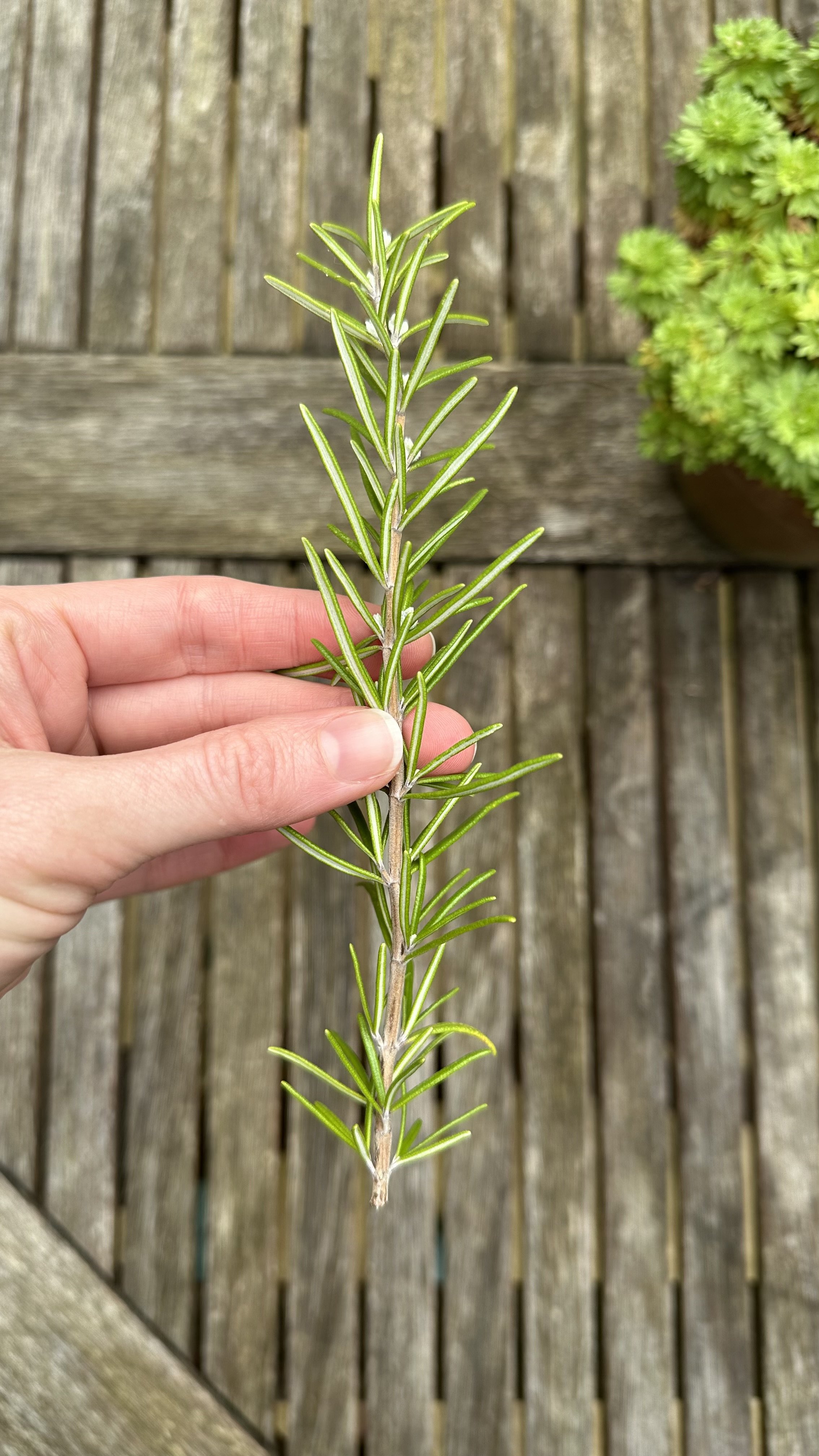
Semi-ripe stems are ideal for rosemary cuttings. These stems are partially mature, firm but still flexible. They are not too young or too old, which makes rooting easier. Look for stems that have a greenish-brown color and avoid woody or very soft ones. Cuttings from semi-ripe stems develop roots faster and grow into healthy plants.
Best Time For Taking Cuttings
The best time to take rosemary cuttings is late summer to early autumn. During this period, the plant produces semi-ripe stems perfect for propagation. Avoid taking cuttings when the plant is flowering. Flowering stems are less likely to root well. Taking cuttings at the right time increases your chance of success.
Preparing The Cutting
Preparing the cutting is a key step in growing a healthy rosemary plant. It sets the stage for strong root development. Proper preparation helps the cutting absorb water and nutrients effectively. Follow these simple steps to get your rosemary cutting ready for planting.
Trimming And Cleaning
Choose a healthy, non-flowering stem about 4 to 6 inches long. Cut just below a leaf node using sharp, clean scissors or pruning shears. Remove the leaves from the bottom 2 inches of the stem. This prevents leaves from rotting in the soil or water.
Trim any damaged or brown parts from the cutting. Clean the cutting by gently wiping it with a damp cloth. This removes dirt and possible pests. A clean cutting improves chances of successful rooting.
Using Rooting Hormone Or Alternatives
Rooting hormone encourages faster root growth but is not essential. Dip the bare end of the cutting into rooting hormone powder or gel. Tap off any excess hormone before planting.
Alternatives to rooting hormone include honey or cinnamon powder. Both have natural antifungal properties. Dip the cutting end into honey or cinnamon before planting. These help protect the cutting and boost root growth.
Rooting Methods
Rooting rosemary cuttings can be simple and rewarding. Choosing the right rooting method helps your cutting grow strong roots. This section explains three popular methods to root rosemary cuttings. Each method offers different benefits and suits various gardeners. Follow these steps for healthy, thriving plants.
Rooting In Soil
Rooting rosemary cuttings in soil is a natural and effective way. Use a well-draining potting mix to prevent waterlogging. Make a small hole and insert the cutting, covering the base with soil. Press gently around the cutting to secure it.
Water the soil lightly to keep it moist but not soggy. Place the pot in a warm spot with indirect sunlight. Roots usually develop in three to four weeks. Avoid overwatering to stop root rot.
Rooting In Water
Rooting rosemary cuttings in water is easy and lets you watch root growth. Cut a healthy stem and remove leaves from the bottom half. Place the cutting in a glass of clean water.
Keep the water fresh by changing it every few days. Put the glass in a bright spot but away from direct sun. Roots will start to grow in one to two weeks. Once roots are a few inches long, transfer the cutting to soil.
Creating A Humid Environment
Rosemary cuttings root faster in a humid environment. After planting the cutting in soil, cover it with a clear plastic bag. This traps moisture and keeps the air around the cutting humid.
Make sure the plastic does not touch the leaves. Open the bag daily for a few minutes to let fresh air in. Keep the cutting in indirect light and check soil moisture. Remove the bag once roots form and new growth appears.

Credit: empressofdirt.net
Caring For New Cuttings
Caring for new rosemary cuttings is crucial for successful growth. These young plants need special attention to develop strong roots and healthy foliage. Proper care increases the chances of survival and helps the cuttings thrive. Keep the environment controlled and gentle during this delicate stage. Follow simple steps to meet their needs in light, temperature, water, and humidity. This care sets the foundation for a flourishing rosemary plant.
Light And Temperature Needs
Rosemary cuttings need bright, indirect light. Avoid direct sunlight to prevent leaf burn. A spot near a window with filtered light works well. Keep the temperature steady between 65°F and 75°F. Sudden changes can stress the cuttings. Warmth encourages root growth. Avoid cold drafts or placing near heaters. Maintaining stable warmth helps the cuttings establish roots faster and stay healthy.
Watering And Humidity Control
Keep the soil moist but not soggy. Overwatering causes root rot, which kills cuttings. Water gently to avoid disturbing the soil. Check moisture daily and adjust as needed. Rosemary prefers moderate humidity. Dry air can cause leaves to dry out. Place a clear plastic cover or dome over the cuttings to keep humidity high. Remove the cover briefly each day to allow air circulation. This balance supports root development and prevents mold growth.
Transplanting Rooted Cuttings
Transplanting rooted rosemary cuttings is an exciting step in growing your own herb garden. It lets the young plant move from water or a small container to a bigger home. This gives the roots space to grow strong and the plant room to thrive.
Doing this right helps your rosemary become healthy and lush. It avoids stress that can slow growth or cause wilting. Follow simple steps to know when and how to transplant your rosemary cuttings successfully.
Timing And Signs Of Readiness
Check your cutting for roots about 2 to 4 weeks after planting. Roots should be at least 1 to 2 inches long. They need to be firm and white, not brown or mushy. If roots are tangled or growing out of the container, it’s time to transplant.
The cutting should also show new growth on top. Look for fresh green leaves and firm stems. If the plant looks healthy and strong, it is ready for a larger pot or garden bed. Transplanting too early can damage delicate roots. Wait until the plant is stable.
Choosing The Right Soil And Pot
Use a pot with good drainage holes to avoid water buildup. Rosemary does not like soggy soil. Pick a container slightly larger than the current one. This allows room for root growth without overwhelming the plant.
Choose soil that is well-draining and sandy. A mix of potting soil, sand, and perlite works well. This mix keeps water moving and prevents root rot. Avoid heavy or clay soils that hold too much moisture.
Fill the pot with soil and water it lightly before planting. Gently place the rooted cutting in the soil. Cover roots without burying the stem too deep. Press soil gently around the base to remove air pockets.
Credit: meadowlarkjournal.com
Common Issues And Solutions
Growing rosemary from cuttings is rewarding but comes with challenges. Common problems include rot, mold, pests, and diseases. Understanding these issues helps keep your plant healthy and thriving.
Preventing Rot And Mold
Rot and mold often occur due to too much moisture. Use well-draining soil to avoid water buildup. Keep the cutting’s base dry and avoid overwatering. Good air circulation around the plant reduces mold risk. Place cuttings in a bright spot but out of direct sunlight. Remove any leaves touching wet soil to prevent decay. Check regularly and discard any soft or blackened cuttings quickly.
Dealing With Pests And Diseases
Rosemary can attract pests like aphids and spider mites. Spray cuttings gently with water to remove insects. Use insecticidal soap if pests persist. Fungal diseases cause leaf spots or yellowing. Remove infected leaves and improve airflow. Avoid overhead watering to keep leaves dry. Healthy plants resist pests and diseases better. Monitor cuttings daily to catch problems early.
Tips For Thriving Rosemary Plants
Growing rosemary from cuttings is just the start. Healthy growth depends on good care. Follow these tips to help your rosemary plant thrive. Proper pruning and maintenance keep your plant strong and bushy. Feeding and soil care provide the nutrients rosemary needs. These steps improve growth and aroma.
Pruning And Maintenance
Trim your rosemary regularly to promote new growth. Cut back the tips of branches to keep the shape. Remove any dead or woody stems. Avoid cutting into old, bare wood, as it may not regrow. Pruning helps air flow and prevents disease. Harvest sprigs often to encourage more leaves.
Feeding And Soil Enhancements
Use well-draining soil with added organic matter. Rosemary prefers slightly sandy or loamy soil. Feed your plant with a balanced fertilizer every few weeks. Compost or worm castings enrich the soil naturally. Avoid overwatering; rosemary likes dry conditions. Proper feeding boosts leaf flavor and plant health.
Frequently Asked Questions
Can I Root Rosemary Cuttings In Water?
Yes, you can root rosemary cuttings in water by placing stems in fresh water. Change water regularly and keep in indirect light. Roots usually form in 2-4 weeks. Transplant to soil once roots grow 1-2 inches long for best results.
Can You Put Rosemary Cuttings Straight Into Soil?
Yes, you can plant rosemary cuttings directly into moist, well-draining soil. Use a pencil to create holes first. Keep the soil consistently moist but not waterlogged. Place cuttings in a warm spot with bright, indirect light to encourage root growth.
What Month Do You Take Rosemary Cuttings?
Take rosemary cuttings in late summer or early autumn. Choose semi-ripe stems that are not flowering for best results.
Does Rosemary Grow Well From Cuttings?
Rosemary grows well from cuttings taken in spring or early summer. Use semi-ripe stems, keep soil moist, and provide indirect light.
Conclusion
Growing rosemary from cuttings is simple and rewarding. Choose healthy stems and keep soil moist. Place cuttings in bright, indirect light for best results. Watch roots develop in a few weeks. With patience, your rosemary will thrive and add fresh flavor to your kitchen.
This method saves money and lets you share plants with friends. Start your rosemary cutting today and enjoy fresh herbs all year.