If poison sumac is invading your yard, you know how frustrating and risky it can be. This plant isn’t just an eyesore—it can cause painful skin rashes and allergic reactions.
You want it gone fast, but getting rid of poison sumac isn’t always simple. The good news? With the right steps, you can safely remove it and protect your family and property. You’ll learn how to identify poison sumac, the safest ways to eliminate it, and effective tips to prevent it from coming back.
Keep reading to take control of your outdoor space and say goodbye to poison sumac for good.
Identify Poison Sumac
Identifying poison sumac is the first step to safely remove it. This plant can cause strong skin irritation. Knowing how to spot it helps avoid contact and injury. Poison sumac looks different from other common plants. Recognizing its features and habitats makes removal easier and safer.
Physical Characteristics
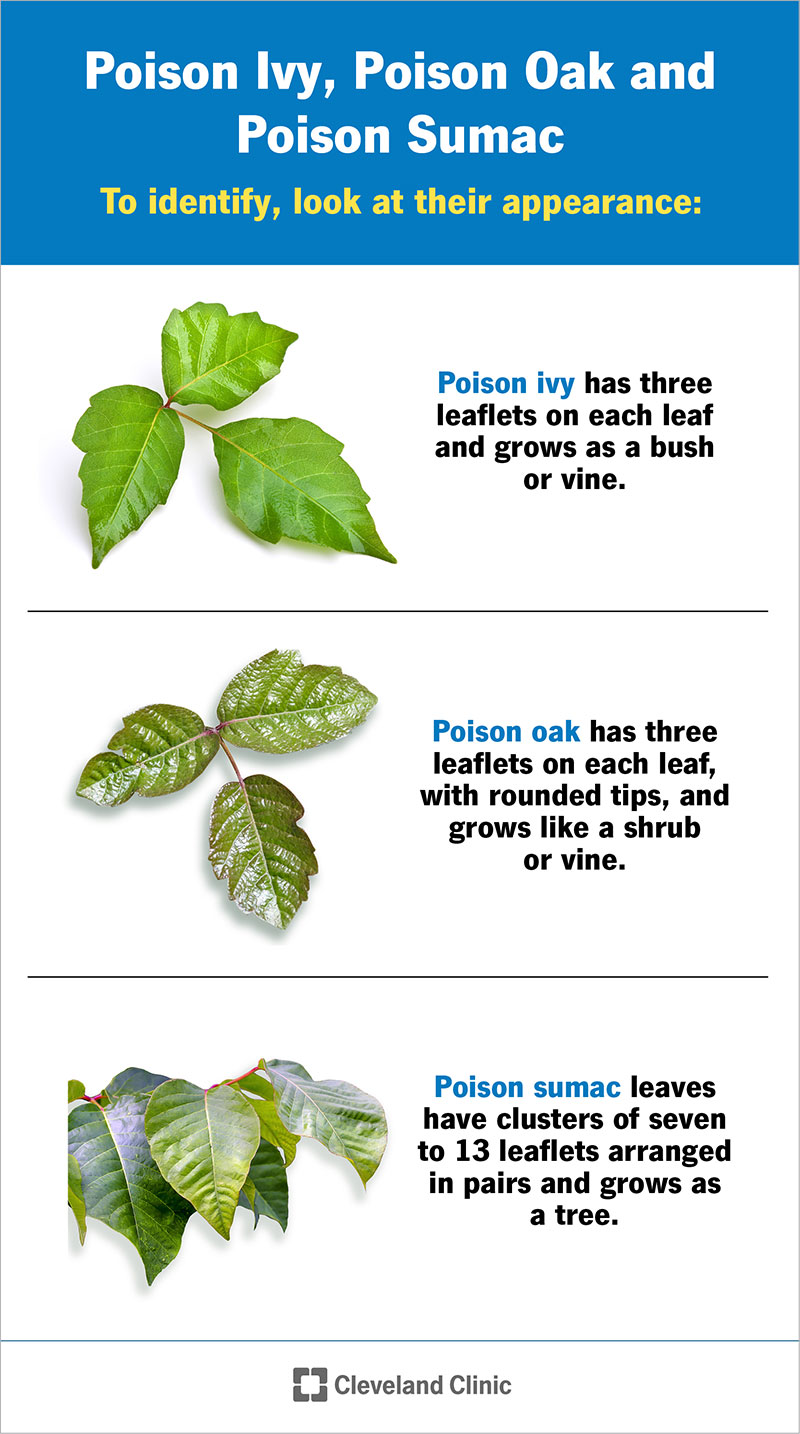
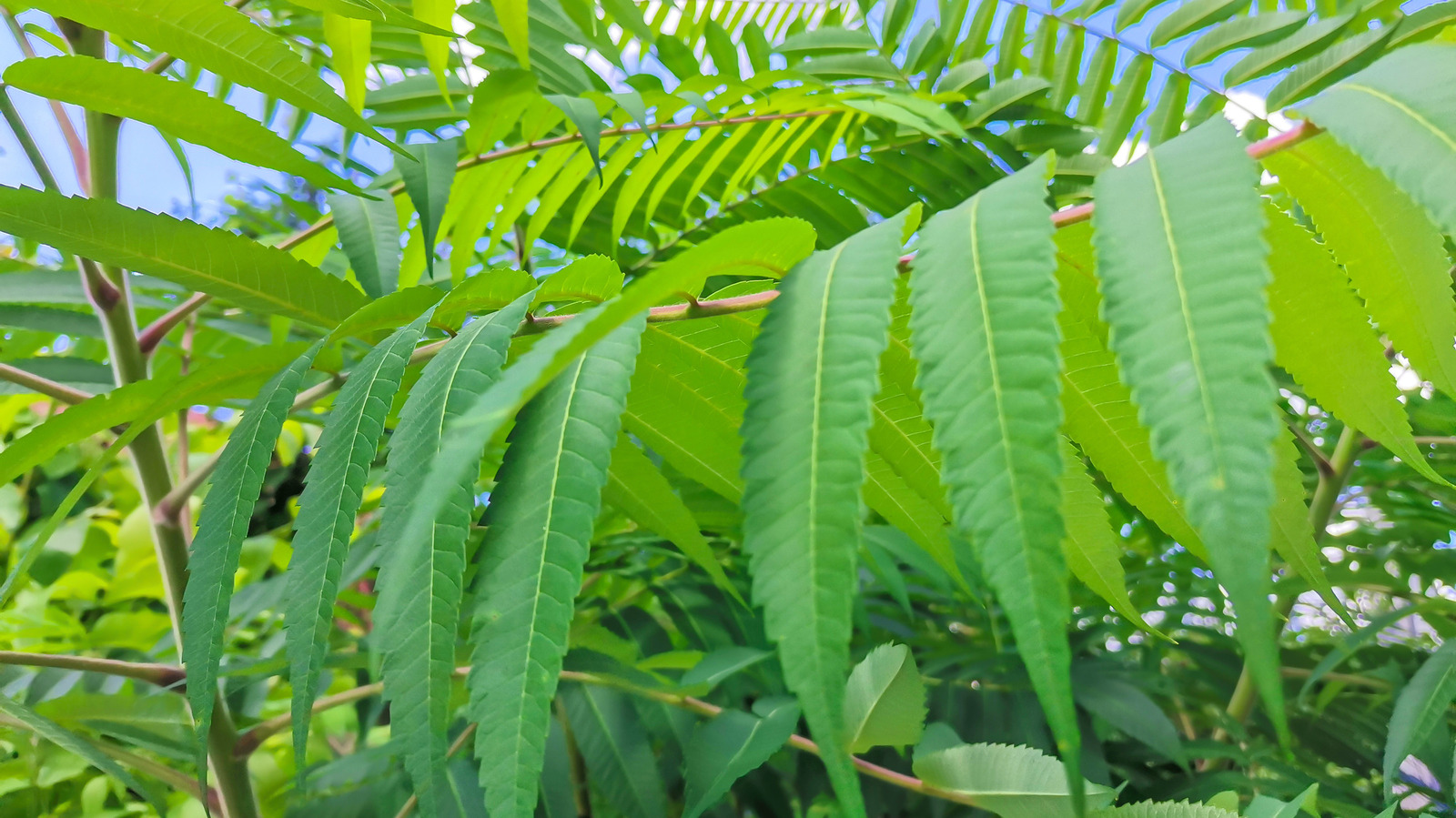
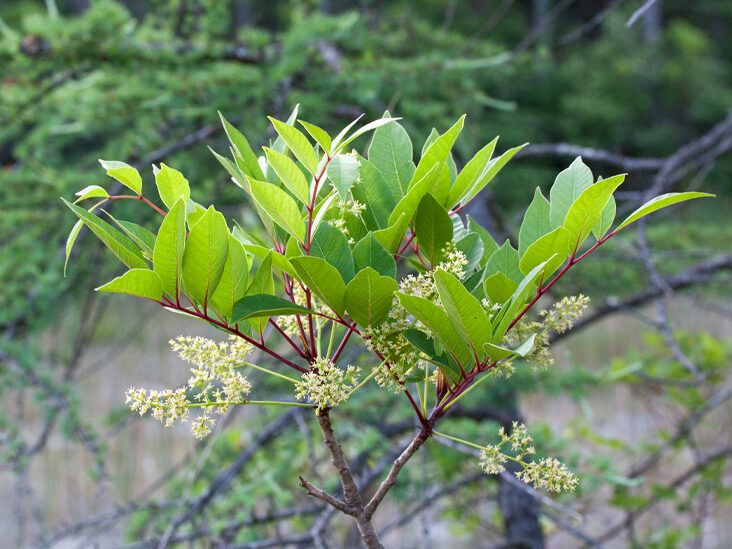
Poison sumac is a woody shrub or small tree. It grows 5 to 20 feet tall. The leaves are arranged in pairs with a single leaf at the tip. Each leaf has 7 to 13 smooth-edged leaflets. Leaflets are pointed and have a glossy green color. In fall, the leaves turn bright red, orange, or yellow. The plant has clusters of white or grayish berries. Its stems are smooth and grayish brown. The sap is clear but causes skin rash on contact.
Common Locations
Poison sumac grows in wet, swampy areas. It prefers acidic, sandy or peaty soil. You find it near ponds, lakes, and streams. It thrives in shady or partially sunny spots. The plant is common in the eastern and southeastern United States. It usually grows in undisturbed natural areas. Avoid walking through thick brush near water sources. These spots often hide poison sumac plants.
Differences From Similar Plants
Poison sumac is often confused with poison ivy and poison oak. Poison ivy has three leaflets, but poison sumac has 7 to 13 leaflets. Poison oak’s leaves are rounder and have lobed edges. Poison sumac leaves have smooth edges. Its berries are white or gray, unlike poison ivy’s green or yellow. Poison sumac grows on woody stems, while poison ivy can climb or trail. Learning these differences helps prevent mistakes.
Safety Precautions
Handling poison sumac plants requires strict safety measures to protect your skin and health. The plant’s oils cause severe skin irritation and allergic reactions. Taking proper precautions lowers the risk of exposure and rash. This section covers essential safety steps for dealing with poison sumac.
Protective Clothing
Wear long sleeves and long pants made of thick fabric. Use gloves that cover your wrists and hands completely. Boots or closed shoes protect your feet and ankles. Consider using disposable coveralls for full-body protection. Avoid cotton clothes, which can absorb the plant’s oils. Wash or discard clothing after use to prevent spreading the oils.
Avoiding Skin Contact
Do not touch the plant with bare skin. Keep your face and eyes away from leaves and branches. Avoid rubbing your eyes or face during and after removal. Use tools such as pruners or shovels to handle the plants. Clean tools thoroughly after work to remove any oils. Keep pets and children away from treated areas until it is safe.
First Aid For Exposure
Rinse the affected skin with cold water immediately. Use soap to wash off oils without scrubbing harshly. Apply over-the-counter creams like calamine lotion for itching relief. Use cool compresses to reduce swelling and discomfort. Seek medical help if the rash worsens or spreads widely. Avoid scratching to prevent infection and further irritation.
Manual Removal Techniques
Manual removal techniques offer a hands-on way to control poison sumac plants. These methods focus on physically eliminating the plants from your property. Proper care during removal reduces the risk of skin irritation from the plant’s oils. Wearing protective clothing and gloves is essential before starting any manual removal.
Cutting And Digging Out
Start by cutting the poison sumac stems close to the ground. Use sharp pruning shears or a saw for thick branches. After cutting, dig around the base to remove the roots and stumps. Removing the entire root system stops the plant from growing back. Dispose of the cut pieces carefully to avoid spreading the oils.
Using Black Plastic To Smother
Cover poison sumac patches with heavy black plastic sheets. Secure the edges with rocks or stakes to keep the plastic tight. The plastic blocks sunlight and traps heat, causing the plants to die. Leave the plastic in place for several weeks for full effect. This method is chemical-free and works well in sunny areas.
Disposal Of Plant Material
Do not burn poison sumac. Burning releases harmful vapors that cause severe allergic reactions. Place all cut and dug plant parts in heavy-duty plastic bags. Seal the bags tightly to prevent contact with skin or pets. Dispose of the bags with regular trash or follow local hazardous waste guidelines.
Credit: my.clevelandclinic.org
Natural Remedies
Natural remedies offer safer ways to remove poison sumac plants. These methods use common household ingredients. They help reduce chemical use and protect the environment.
Natural solutions work best on young or small poison sumac plants. Mature plants may need stronger treatment. Always wear gloves and protective clothing when handling poison sumac. Avoid touching your face and wash skin immediately if contact occurs.
Vinegar And Lemon Juice Solutions
White vinegar is a natural acid that can kill poison sumac leaves. Mix vinegar with lemon juice for added strength. Spray the mixture directly on the leaves and stems. The acid breaks down plant cells, causing the plant to wilt and die.
Apply the solution on dry, sunny days for better results. Repeat every few days until the plant dies. Avoid spraying on other plants to prevent damage. Vinegar and lemon juice are safe but can cause irritation, so use with care.
Homemade Weed Killers
Homemade weed killers often use vinegar, salt, and dish soap. Combine 1 gallon of vinegar, 1 cup of salt, and 1 tablespoon of dish soap. The salt draws moisture from the plant, and soap helps the mixture stick to leaves.
Spray the mixture on poison sumac during warm weather. The plant will start to wilt within days. Repeat treatments may be necessary for full control. This mix is effective on young plants and small patches.
Limitations Of Natural Methods
Natural remedies take longer to work than chemical herbicides. They may not fully kill large or mature poison sumac plants. Repeated applications are often needed for complete control.
Natural solutions can harm nearby plants if not applied carefully. They also do not affect poison sumac roots deeply. Physical removal or professional help might be necessary for tough infestations.
Use natural methods with patience and care. Protect yourself from poison sumac’s rash-causing oils. Choose the right method based on plant size and location.
Chemical Treatments
Chemical treatments offer an effective way to control poison sumac. Using herbicides can stop the plant from growing back. Proper application ensures the herbicide works well. Safety is important to protect yourself and the environment. This section explains the best herbicides, how to apply them, and safety tips.
Herbicides For Poison Sumac
Glyphosate and triclopyr are common herbicides for poison sumac. Glyphosate kills many types of plants by stopping growth. Triclopyr targets woody plants and broadleaf weeds. Use products labeled for woody plant control. Choose a herbicide that suits your area and plant size. Always read the label for correct use.
Application Tips
Apply herbicides on a dry, calm day. Spray the leaves and stems completely for best results. Avoid spraying on windy days to prevent drift. Use a sprayer or brush to cover the plant well. Repeat treatment after 2 to 3 weeks if needed. Cut large stems and treat the cut ends with herbicide. This helps kill the roots below ground.
Safety And Environmental Considerations
Wear gloves, long sleeves, and eye protection during application. Avoid contact with skin and eyes to prevent irritation. Keep children and pets away from treated areas. Do not spray near water sources to protect fish and plants. Follow all local regulations on herbicide use. Dispose of containers safely according to label instructions.
Credit: www.housedigest.com
Preventing Regrowth
Stopping poison sumac from growing back is key to clearing it completely. The plant’s roots and seeds can sprout new shoots if not fully removed. Constant care is important to keep your yard poison sumac-free. Follow these steps to prevent regrowth and protect your outdoor space.
Repeated Treatments
One treatment is rarely enough to kill poison sumac. Use herbicides or natural weed killers multiple times. Apply treatments every few weeks during the growing season. This weakens roots and stops new shoots from appearing. Always wear protective clothing to avoid skin contact.
Monitoring New Growth
Check your yard regularly for fresh poison sumac growth. Look for shiny, green leaves in clusters. Pull out small plants by hand before they mature. Early removal stops the plant from spreading seeds. Keep a close eye during spring and summer.
Maintaining A Healthy Yard
Strong grass and plants crowd out poison sumac seedlings. Mow your lawn often to keep it dense and healthy. Water and fertilize plants to improve their growth. Healthy yards reduce space for poison sumac to grow. Remove debris and fallen leaves where poison sumac can hide.
What To Avoid
Removing poison sumac requires care and caution. Some actions can make problems worse. Avoiding common mistakes protects your health and home. Follow guidelines to stay safe and effective.
Burning Poison Sumac
Do not burn poison sumac plants. Smoke carries harmful oils that cause severe skin rashes. Inhaling fumes can trigger serious allergic reactions. Always handle the plant without fire. Dispose of it safely in sealed bags instead.
Ignoring Protective Measures
Never work with poison sumac without protection. Wear gloves, long sleeves, and eye protection. Skin contact spreads the irritating oils. Wash clothes and tools after use. Skipping these steps risks painful rashes and contamination.
Using Ineffective Methods
Avoid quick fixes like plain water or weak sprays. These often fail to kill poison sumac fully. The plant can regrow and spread. Use proven treatments such as herbicides or smothering with heavy plastic. Follow instructions carefully for best results.
Credit: www.healthline.com
Frequently Asked Questions
What Kills Poison Sumac Permanently?
Use a strong herbicide containing glyphosate or triclopyr, applied directly to poison sumac leaves and stumps repeatedly. Wear protective gear. Avoid burning the plant.
Does Dawn Dish Soap Get Rid Of Poison Oak?
Dawn dish soap helps remove poison oak oils from skin and surfaces. It cleans effectively but does not cure the rash itself.
Will Vinegar Kill Poison Sumac?
Horticultural vinegar can kill poison sumac with repeated applications. It works best on young plants. Always wear protective gear when treating. Avoid burning poison sumac to prevent harmful vapors.
What Gets Rid Of Poison Sumac Fast?
Cut poison sumac at the base on a dry, windless day. Apply horticultural vinegar or commercial herbicide carefully. Wear protective clothing. Avoid burning to prevent toxic vapors. Use topical treatments like calamine lotion to relieve skin irritation quickly.
Conclusion
Getting rid of poison sumac takes patience and care. Wear protective clothing to avoid skin contact. Cut the plants close to the ground on calm, dry days. Use heavy plastic to cover and kill the roots. Repeat treatments may be necessary for full removal.
Never burn poison sumac; fumes can harm your health. Keep children and pets away during cleanup. With careful steps, you can safely remove poison sumac from your yard. Stay cautious and persistent for best results.