Are you curious about how your snake plant actually grows? You might have noticed new leaves popping up and wondered: do snake plants grow from the top or the bottom?
Understanding this can help you care for your plant better and even propagate it successfully. Whether you want a fuller plant or are thinking about growing new ones, knowing where growth starts is key. Keep reading to discover the surprising truth about snake plant growth and how you can use this knowledge to keep your green friend thriving and looking its best.

Credit: www.reddit.com
Growth Origin
Snake plants grow primarily from the base of the plant. New leaves push up from the soil. This growth comes from an underground structure called a rhizome. The leaves themselves do not grow taller from the top. Instead, the plant expands by producing new leaves at its base. Understanding this helps in caring for and propagating snake plants correctly.
Base Growth And Rhizomes
Growth starts at the base of the snake plant. New leaves emerge tightly rolled and slowly open as they grow. The base contains rhizomes, which are thick underground stems. These rhizomes send out new shoots and roots. This allows the plant to spread sideways under the soil. Gardeners can divide rhizomes to create new plants easily.
Leaf Development Process
Each new leaf grows from the base, not the tip. Leaves grow upright and unfurl from a tight roll. Once mature, leaves do not grow longer at the top. If the leaf tip breaks, it will not grow back taller. To grow a full plant, focus on encouraging new leaves at the base. Leaf cuttings planted at the bottom can also grow new plants.
Leaf Growth Details
Leaf growth in snake plants happens mainly at the base. New leaves sprout from the bottom, not the top. The plant grows by pushing fresh leaves upward through the soil. This process makes snake plants appear fuller over time. Understanding leaf growth helps in caring for and propagating these plants.
New Leaf Emergence
New leaves start as small, tight rolls at the plant’s base. They slowly unfold and grow taller. This growth comes from the underground rhizome, a stem that spreads beneath the soil. The rhizome produces leaf shoots that push up through the soil surface. This is why new growth appears from the bottom, not the top.
Effect Of Leaf Damage
Leaf damage affects growth differently depending on location. If the leaf tip breaks, that leaf stops growing taller. The rest of the plant keeps producing new leaves from the base. Damaged leaves may dry out but do not regrow from the top. Healthy new leaves still emerge from the bottom despite damage.
Role Of Leaf Tips
The leaf tips serve as growth points for each leaf. Tips are the final part to develop as the leaf grows upward. They help maintain the leaf’s shape and health. When tips are healthy, leaves stay firm and upright. Damaged tips cannot regenerate, but new leaves continue to grow from the base.
Propagation Methods
Snake plants grow by sending up new shoots from their base. Propagating these plants is simple and rewarding. You can multiply your snake plant using different methods. Each method uses parts of the plant that are easy to handle.
Propagation helps your snake plant grow fuller and healthier. It also lets you create new plants for your home or to share with friends.
Propagation By Leaf Cuttings
Leaf cuttings are a popular way to propagate snake plants. Cut a healthy leaf near the base. Let the cut end dry for a day to prevent rot. Place the leaf in soil or water to encourage root growth. Roots form from the bottom of the leaf cutting. After roots grow, new shoots will appear from the base.
Division Of Offshoots
Snake plants produce offshoots, also called pups, near the main plant’s base. These offshoots grow from underground stems called rhizomes. Carefully remove the whole plant from its pot. Separate the pups from the parent plant using a clean knife. Each pup should have roots attached. Plant them in fresh soil to grow new plants quickly.
Rooting And Growth Points
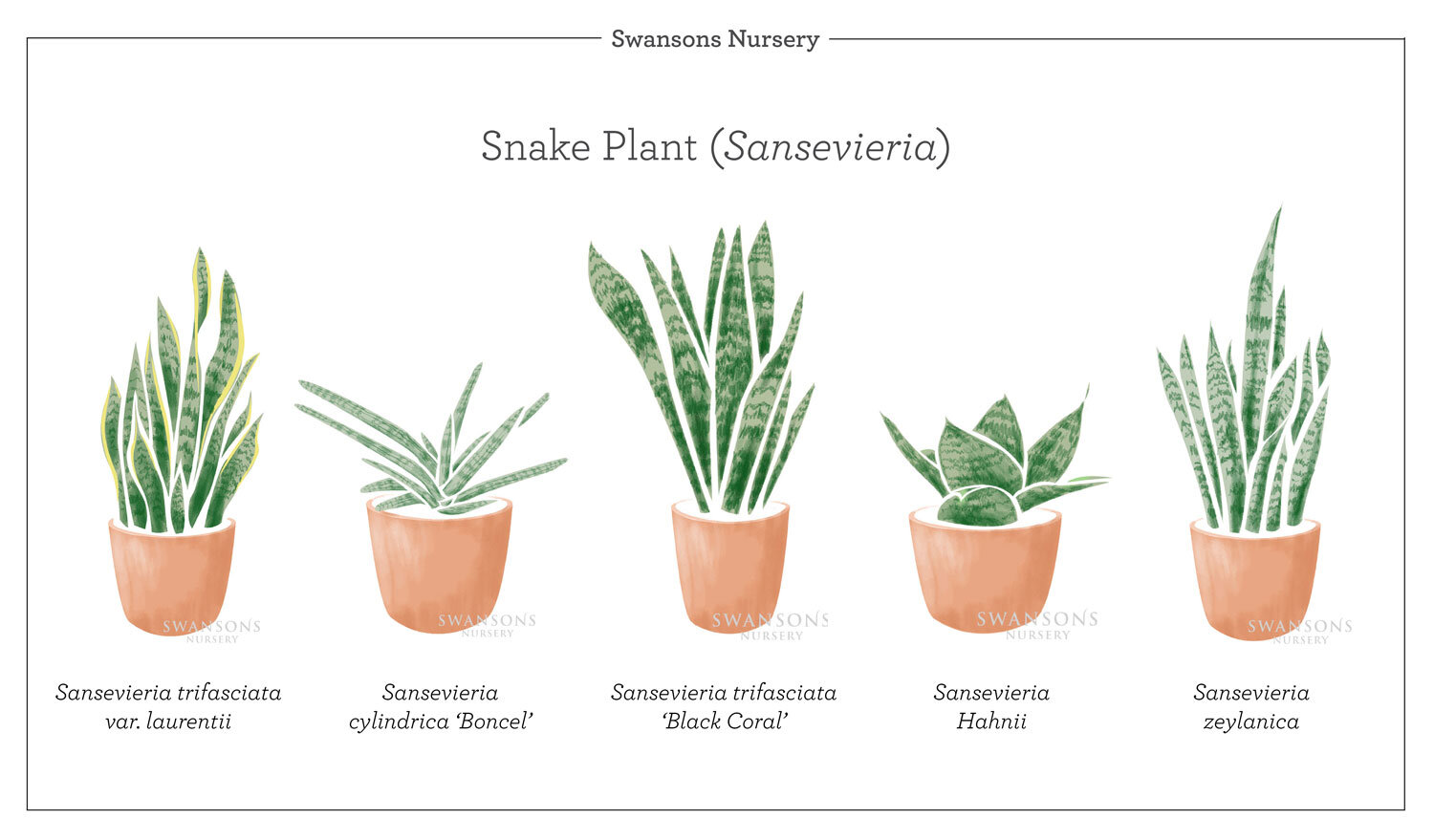
New leaves grow from the base of the plant. The growth points are hidden near the soil surface. Roots develop below these points, supporting new shoots. Healthy roots are white and firm. Avoid damaging roots during propagation. Proper care helps new plants establish strong roots and shoots.
Credit: www.swansonsnursery.com
Care Tips For Growth
Proper care boosts snake plant growth and keeps it healthy. Understanding how to nurture your plant helps it thrive indoors. Snake plants grow from the bottom, producing new leaves from the base. Focus on care techniques that support this natural growth pattern.
Follow these care tips to encourage fuller growth, avoid common problems, and know when to repot your snake plant for best results.
Encouraging Fuller Growth
Place the plant in bright, indirect sunlight for strong leaf development. Water sparingly, allowing soil to dry between waterings. Use well-draining soil to prevent root rot. Fertilize once a month during spring and summer with a balanced houseplant fertilizer. Trim damaged or yellow leaves to redirect energy to new growth. Rotate the plant occasionally for even light exposure on all sides.
Common Growth Issues
Yellowing leaves often indicate overwatering or poor drainage. Brown tips may result from low humidity or too much direct sun. Slow growth can stem from insufficient light or nutrient deficiency. Pests like spider mites or mealybugs appear as small spots or webs on leaves. Treat infestations promptly with insecticidal soap or neem oil. Remove affected leaves to stop spread and promote healthy shoots.
Optimal Repotting Times
Repot snake plants every 2 to 3 years or when roots crowd the pot. Spring is the best time for repotting, as growth resumes after winter dormancy. Choose a pot one size larger with drainage holes. Use fresh, well-draining cactus or succulent soil mix. Gently loosen roots and remove dead ones before repotting. Water lightly after repotting and keep in indirect light for a week to reduce stress.
Snake Plant Benefits
Snake plants offer many benefits beyond their unique growth pattern. They improve indoor spaces with their natural qualities. Their easy care and striking look make them popular worldwide.
Understanding these benefits helps explain why snake plants are common in homes and offices. They support a healthy environment in simple, natural ways.
Air Purification
Snake plants clean the air by removing toxins. They absorb pollutants like formaldehyde and benzene. This makes indoor air fresher and safer to breathe. Their leaves release oxygen at night, improving air quality 24/7. This process helps people sleep better and feel more alert during the day.
Health And Well-being
Having snake plants indoors supports mental health. They reduce stress and increase calmness. This creates a peaceful atmosphere in any room. Snake plants also help with allergies by reducing dust and airborne irritants. Their presence promotes a sense of well-being and comfort. Caring for plants like snake plants can boost mood and focus.

Credit: www.reddit.com
Frequently Asked Questions
Do Snake Plants Grow From The Bottom?
Snake plants grow new leaves from the bottom, pushing shoots up from underground rhizomes. Existing leaves do not grow taller.
Is Snake Plant Can Cure Arthritis?
Snake plants cannot cure arthritis. They improve air quality and may reduce inflammation, but do not treat arthritis directly.
What Is The Lifespan Of A Snake Plant?
A snake plant can live 5 to 10 years with proper care. Some may thrive over 25 years indoors.
Can You Repot A Snake Plant In October?
Yes, you can repot a snake plant in October, but spring is ideal for active growth and recovery.
Conclusion
Snake plants grow new leaves from the bottom, near the soil. The plant pushes fresh shoots upward through underground stems called rhizomes. Individual leaves do not grow taller once fully grown. Cutting a leaf won’t make it grow longer, but new plants form from the base of cuttings.
This growth pattern helps snake plants fill out and stay healthy. Understanding this can improve how you care for and propagate your snake plant. Keep your plant’s base healthy for the best growth results.