Have you ever wondered if your snake plant really cleans the air while you sleep? You might be surprised to learn that unlike many other houseplants, the snake plant doesn’t just freshen your room during the day—it can actually work around the clock.
If you’re looking to improve your indoor air quality, boost your sleep, or simply add a low-maintenance green companion to your space, understanding when and how this plant purifies the air is key. Keep reading to discover whether your snake plant cleans air at night, during the day, or both—and how that could benefit your health and home.

Credit: www.healthline.com
Snake Plant Oxygen Production
The snake plant is well known for its ability to improve indoor air quality. Its oxygen production is unique compared to many other plants. Understanding how this plant produces oxygen helps explain why it is a popular choice for bedrooms and living spaces.
Unlike most plants, the snake plant can release oxygen both during the day and at night. This feature makes it valuable for maintaining fresh air in any room at all times.
Daytime Photosynthesis
During the day, the snake plant performs photosynthesis like most plants. It takes in carbon dioxide and uses sunlight to produce oxygen. This process increases the oxygen levels in the room. The plant also absorbs harmful toxins from the air, helping to clean it.
Nighttime Oxygen Release
At night, many plants stop producing oxygen and instead release carbon dioxide. The snake plant is different. It continues to release oxygen even without sunlight. This is because it uses a special process called CAM photosynthesis. This makes it perfect for bedrooms, improving air quality while you sleep.

Credit: www.threads.com
Air Purification Benefits
The snake plant offers notable air purification benefits, making it a popular choice for indoor spaces. This hardy plant naturally filters the air, helping to reduce harmful pollutants. Its unique ability to breathe differently from most plants allows it to improve air quality both day and night.
Removing Indoor Pollutants
Snake plants absorb toxins like formaldehyde, benzene, and carbon monoxide. These pollutants come from furniture, cleaning products, and even paints. The plant’s leaves trap and break down these harmful chemicals. This process helps keep indoor air cleaner and safer to breathe.
By reducing these toxins, snake plants lower the risk of allergies and respiratory problems. They work quietly and continuously, making them ideal for homes and offices.
Impact On Sleep Quality
Unlike most plants, snake plants release oxygen at night. This oxygen boost can improve the air around your bed. Better oxygen levels help you breathe easier and sleep more deeply.
Snake plants also help reduce airborne irritants that cause congestion. This may lead to less snoring and fewer sleep disruptions. Keeping a snake plant in your bedroom creates a fresher and calmer sleeping environment.
Scientific Studies And Myths
Snake plants often get attention for their air-purifying abilities. Many people wonder if these plants clean air better during the day or night. Some claim snake plants release oxygen at night, improving indoor air quality. Others say these benefits are exaggerated or misunderstood. This section separates facts from myths, guided by scientific studies.
Nasa Research Insights
NASA studied plants to find those that remove harmful toxins indoors. Snake plants appeared as good options for filtering air. The research showed snake plants absorb chemicals like formaldehyde and benzene. These toxins come from paint, cleaning products, and plastics. The plant’s ability to improve air quality is real but happens slowly. It is not instant or dramatic. The NASA study was done in sealed chambers, not typical homes. This means results may differ in everyday rooms with airflow. Also, the study did not focus on oxygen release at night specifically. The claim that snake plants produce oxygen only at night is a partial truth. They do release oxygen after dark through a special process called CAM photosynthesis. This helps improve air slightly while you sleep.
Common Misconceptions
Many think snake plants will purify the air immediately. This is false. The process takes time and several plants to make a difference. Another myth is that snake plants can replace the need for fresh air. No houseplant can fully clean indoor air alone. Some believe snake plants cause harm at night by using oxygen. The opposite is true—they actually release oxygen then. People also say snake plants reduce allergies or stop snoring. No strong proof supports these claims. Snake plants are low-maintenance and pretty, but not miracle workers. They help air quality slowly and mildly, especially at night.
Practical Tips For Indoor Use
Snake plants are popular for improving indoor air quality. They release oxygen at night, unlike most plants. This makes them great for bedrooms. Using them correctly enhances their air-cleaning benefits.
Ideal Placement In Bedrooms
Place the snake plant near your bed but not too close. About 3 to 6 feet away works well. Avoid direct sunlight, as snake plants prefer low light. A corner with indirect light is perfect. Keep the plant away from heating vents to prevent dryness. This placement helps the plant release oxygen and filter air while you sleep.
Number Of Plants Needed
One snake plant can improve air in a small room. For larger rooms, two or three plants work better. NASA studies suggest six to eight plants for optimal air quality in a closed room. However, even a single plant helps by producing oxygen at night. Adjust the number based on your room size and air flow.
Care And Maintenance
Proper care and maintenance keep your snake plant healthy and effective in air purification. This resilient plant needs simple daily attention to thrive indoors. Understanding its water and light needs ensures it stays vibrant and strong.
Watering And Light Requirements
Snake plants prefer dry soil and infrequent watering. Let the soil dry completely before watering again. Overwatering leads to root rot and weak growth. Water less in winter when the plant grows slowly.
Light is important but snake plants tolerate low light well. Bright, indirect light helps the plant grow faster. Avoid direct sunlight, which can scorch the leaves. A spot near a north or east-facing window works best.
Promoting Healthy Growth
Healthy growth depends on clean leaves and occasional feeding. Wipe leaves gently with a damp cloth to remove dust. This helps the plant breathe and absorb light better.
Use a balanced, diluted houseplant fertilizer once a month during spring and summer. Avoid fertilizing in fall and winter. Repot every two to three years to refresh soil and give roots room to grow.
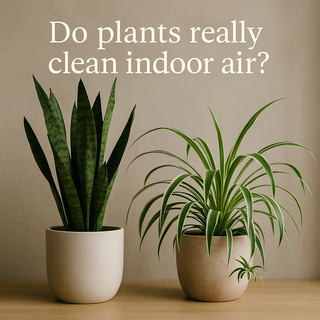
Credit: www.qpseedlings.com.au
Frequently Asked Questions
How Long Does It Take For A Snake Plant To Purify The Air?
A snake plant begins purifying air within days but significantly improves air quality after several weeks of growth.
What Plant Removes 78% Of Airborne Mold?
The spider plant removes up to 78% of airborne mold spores. It effectively improves indoor air quality by filtering mold.
Is It Okay To Sleep Next To A Snake Plant?
Sleeping next to a snake plant is safe and beneficial. It releases oxygen at night, improving air quality and sleep.
How Many Snake Plants Does A Person Need In Their Room To Create Enough Oxygen?
A person needs about six to eight snake plants in a room to produce enough oxygen for survival.
Conclusion
Snake plants clean the air both day and night. They release oxygen at night, unlike many other plants. This makes them great for bedrooms and living spaces. While they don’t purify air instantly, they improve air quality over time. Keeping a snake plant nearby can help you breathe easier and sleep better.
Simple care keeps the plant healthy and effective. A small addition that supports a fresher, cleaner home environment.