Have you ever wondered if you could grow your very own avocado tree right inside your home? Planting an avocado seed indoors is easier than you might think, and it’s a rewarding way to bring a touch of nature into your space.
Imagine watching that small seed sprout and grow into a leafy plant, adding fresh greenery and a sense of accomplishment to your day. Whether you have a sunny windowsill or a cozy corner waiting to be transformed, you’re just a few simple steps away from starting your indoor avocado garden.
Ready to learn how to plant an avocado seed indoors and enjoy the process from seed to sprout? Let’s dive in!
Choosing The Right Avocado Seed
Choosing the right avocado seed is the first step to growing a healthy indoor plant. A good seed increases the chance of sprouting and thriving. Focus on selecting a seed from a ripe avocado and preparing it properly before planting. These steps help ensure successful growth inside your home.
Selecting A Ripe Avocado
Pick an avocado that feels slightly soft but not mushy. Avoid fruit with dark spots or cracks. The best seed comes from a ripe avocado because it is mature and ready to grow. Cut the avocado carefully to keep the seed intact. Wash off any leftover fruit flesh to stop mold growth.
Preparing The Seed For Planting
Remove the brown skin covering the seed gently. This allows water and air to reach the seed easily. Rinse the seed with lukewarm water to clean it thoroughly. Use a paper towel to dry the seed before planting. Avoid damaging the seed’s surface to keep it healthy. These steps prepare the seed to sprout faster indoors.
Credit: www.apieceofrainbow.com
Germinating The Avocado Seed
Germinating an avocado seed is the first vital step to grow a healthy indoor plant. This process wakes up the seed and encourages it to sprout roots and shoots. You can try different methods to find what suits your space and style best. Simple steps and patience will help you see your seed come to life. Below are some easy ways to start germinating your avocado seed.
Soaking The Seed
Begin by soaking the avocado seed in warm water. This softens the outer shell and speeds up germination. Soak the seed for 24 to 48 hours in a glass or bowl. Change the water daily to prevent mold. After soaking, the seed will be ready for the next step. This method helps the seed absorb moisture evenly.
Using The Paper Towel Method
Wet a paper towel and wring out excess water. Wrap the avocado seed gently in the damp towel. Place the wrapped seed inside a plastic bag or container to keep moisture in. Store it in a warm, dark place. Check the towel every few days to keep it moist. Roots and a sprout should appear in 2 to 6 weeks. This method is clean and easy to monitor.
Water Germination Technique
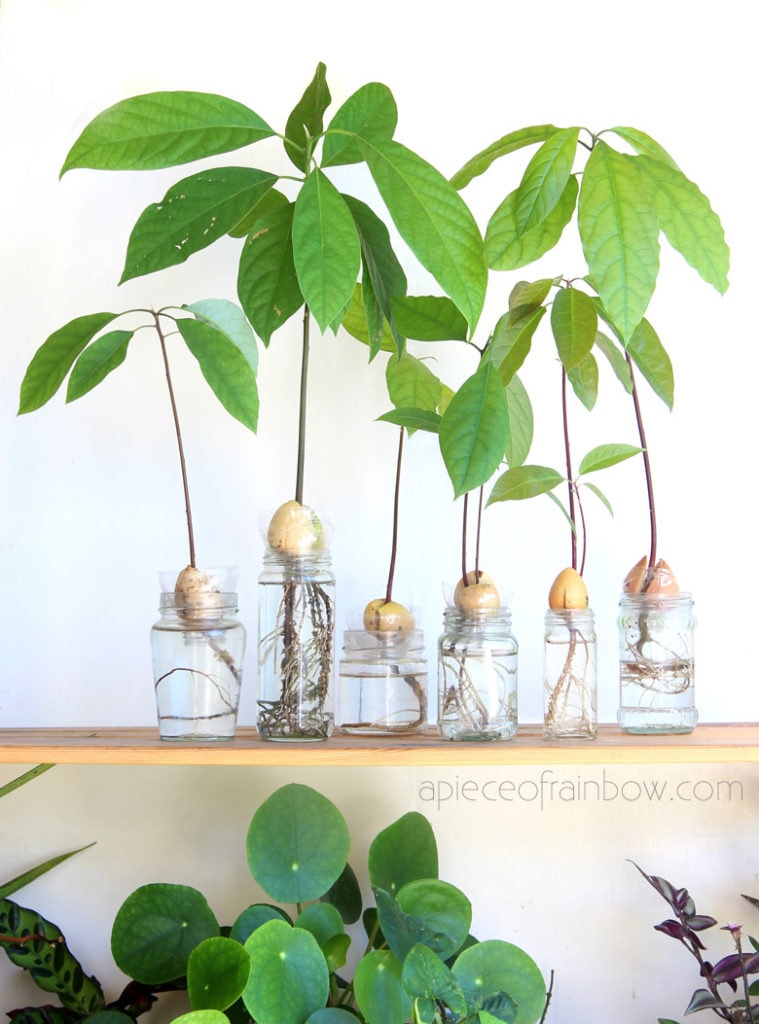
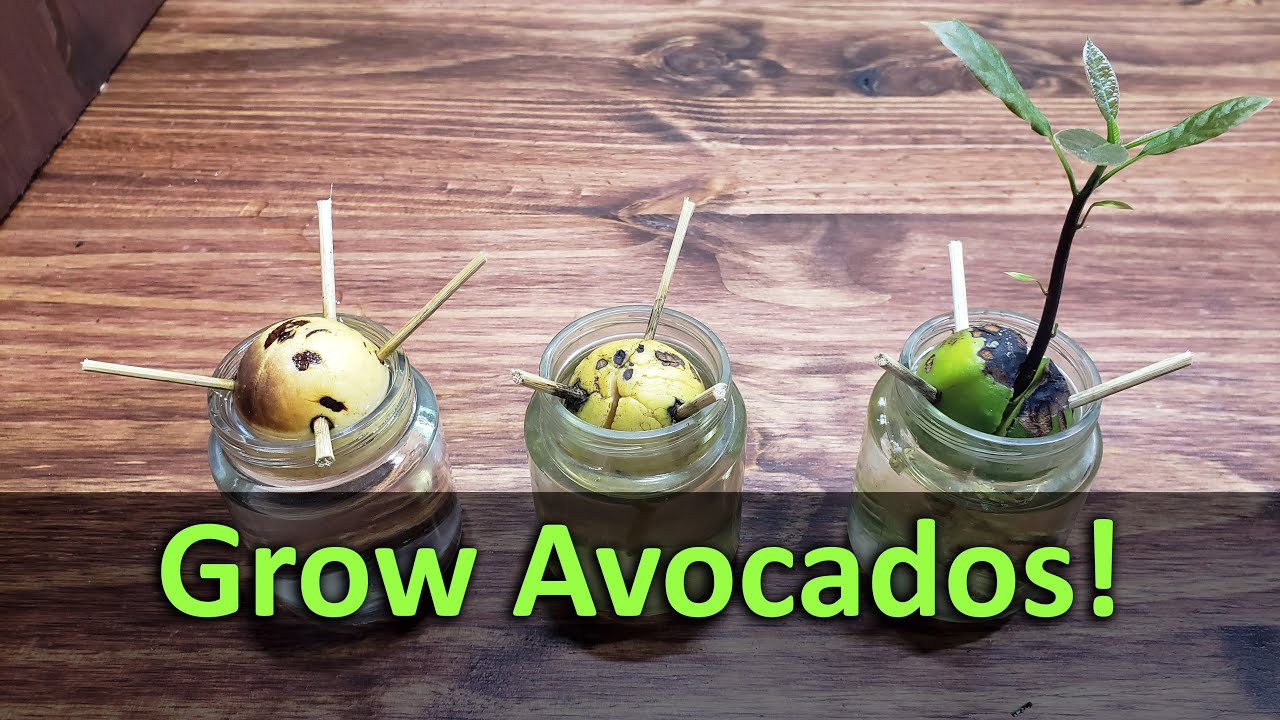
Insert three or four toothpicks into the seed’s midsection. Use the toothpicks as supports to suspend the seed over a glass of water. The bottom of the seed should touch the water while the top stays dry. Place the glass in a sunny spot but out of direct sunlight. Change the water every few days to keep it fresh. Roots will grow downward into the water, and a sprout will grow upward. This classic method shows visible progress and is popular with beginners.
Planting The Seed Indoors
Planting an avocado seed indoors is a simple and rewarding process. It allows you to watch your seed sprout roots and grow leaves in a controlled environment. This method is perfect for those living in cooler climates or without outdoor garden space.
Start by selecting the right container and soil to give your seed the best chance to grow. Proper planting depth and seed orientation are also key to healthy development. Maintaining ideal humidity will support your seedling as it takes root and grows strong.
Choosing The Right Container And Soil
Pick a container with drainage holes to prevent water buildup. A small pot about 6 inches wide works well. Use light, porous soil that drains easily. A mix of potting soil and sand or perlite is ideal. Avoid heavy or clay soils that hold too much water.
Planting Depth And Orientation
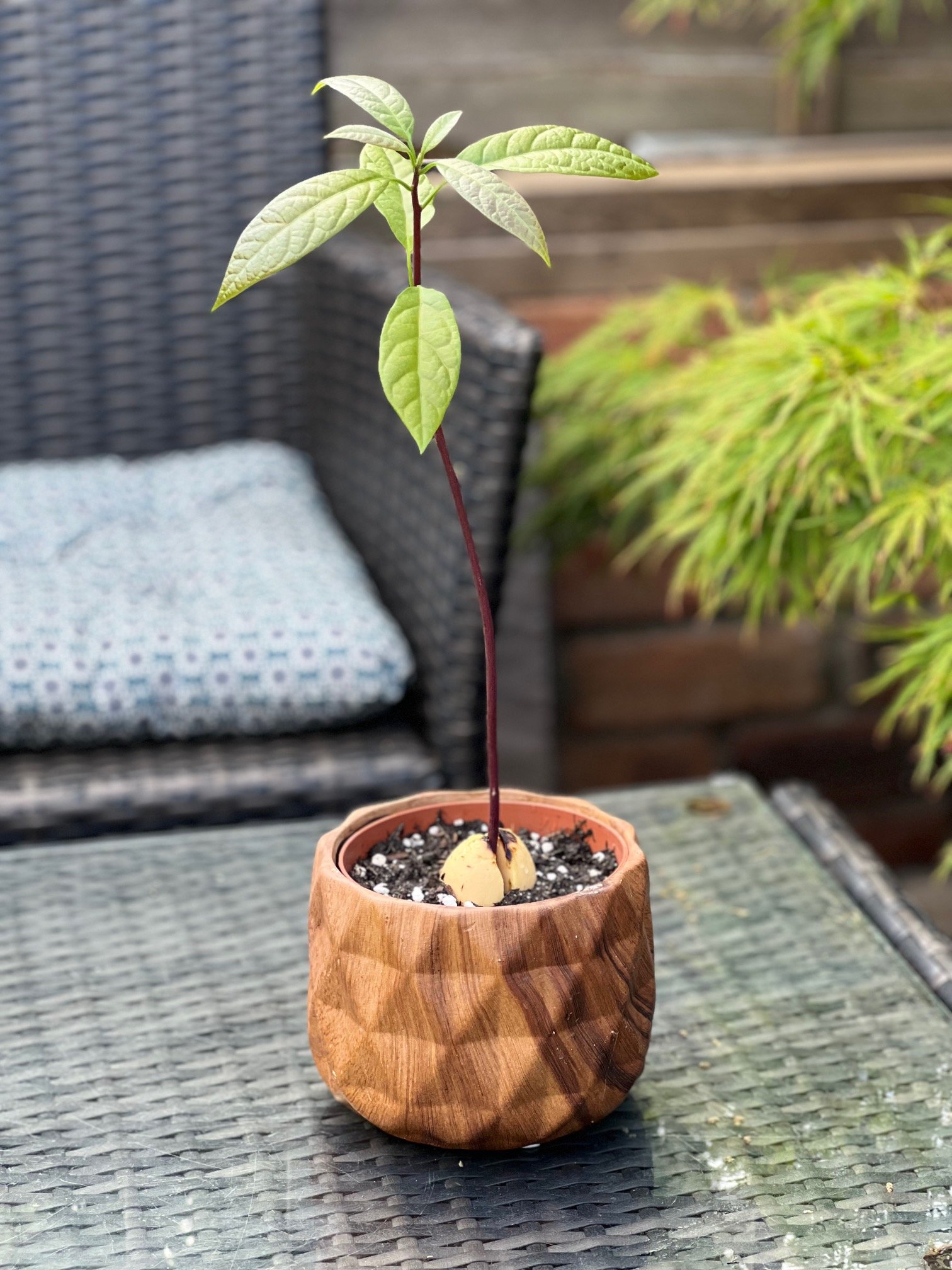
Plant the seed with the pointed end facing up. The flat end should sit slightly below the soil surface. Cover the seed with about 1 to 2 inches of soil. Do not bury it too deep as it needs air to sprout. Firm the soil gently around the seed to hold it steady.
Creating Ideal Humidity
Keep the soil moist but not soaked. Cover the pot with clear plastic wrap or place it inside a plastic bag. This traps moisture and creates a warm, humid environment. Remove the cover daily for fresh air to prevent mold. Place the pot in bright, indirect sunlight for best growth.
Credit: www.youtube.com
Caring For Your Avocado Seedling
Caring for your avocado seedling is crucial to help it grow strong and healthy. After planting the seed indoors, the right care will encourage roots and leaves to develop. Focus on proper watering, lighting, temperature, and air circulation. These factors create the ideal environment for your young plant.
Watering Schedule
Keep the soil moist but not soaked. Water your seedling every few days. Check the soil before watering. If the top inch feels dry, it is time to water. Avoid letting the seed sit in water. Too much water can cause root rot. Use a pot with drainage holes for best results.
Lighting Requirements
Place your avocado seedling near a bright window. It needs plenty of indirect sunlight. Direct sunlight can burn young leaves. Aim for 6 to 8 hours of light each day. If sunlight is limited, use a grow light. Rotate the seedling weekly for even growth.
Temperature And Air Circulation
Maintain a warm room temperature between 65°F and 75°F. Avoid cold drafts or sudden temperature changes. Good air circulation helps prevent mold and pests. Use a small fan on low if the air is still. Keep the seedling away from heaters or air conditioners.
Troubleshooting Common Issues
Growing an avocado seed indoors can be a fun project, but it might have a few challenges. Knowing how to fix common problems can keep your plant healthy. Below are some tips to help you troubleshoot common issues that may arise.
Dealing With Mold And Rot
Mold and rot often appear if the seed stays too wet. Avoid overwatering and ensure good drainage. Use a clean container and fresh water or soil. Remove any moldy parts gently to stop spreading. Keep the seed in a warm, airy spot for better air flow.
Slow Or No Germination
Sometimes, seeds take longer to sprout or do not sprout at all. Check if the seed is fresh and healthy before planting. Keep the seed warm, around 70-75°F, to encourage growth. Change the water every few days if growing in water. Be patient; some seeds take up to eight weeks to germinate.
Yellowing Or Wilting Leaves
Yellow leaves often mean too much water or not enough light. Water the plant only when the top inch of soil feels dry. Place the plant near a bright window but avoid direct harsh sunlight. Wilting can also happen if the plant is too cold or stressed. Keep the temperature steady and avoid drafts.
Credit: www.mudandbloom.com
Transplanting And Long-term Growth
Transplanting your avocado seedling is a key step for healthy, long-term growth. Moving the young plant into a larger pot gives roots more space. This supports strong development above and below the soil. Careful attention during transplanting helps avoid stress and damage to roots.
Long-term growth requires consistent care. Choosing the right spot for your avocado plant impacts its health and fruit potential. Regular pruning and maintenance encourage fuller growth and keep the plant manageable indoors.
When To Repot
Repot your avocado seedling when roots fill the current pot. Check every 3 to 4 months for root crowding. Signs include roots growing out of drainage holes or slow growth. Move the plant to a pot 2 to 4 inches larger in diameter. Use fresh, well-draining soil to support root health. Avoid repotting during cold months. Early spring is the best time to repot for growth.
Choosing Outdoor Vs. Indoor Placement
Decide placement based on climate and space. Avocado plants need plenty of sunlight, ideally 6 hours daily. In warm climates, outdoor placement suits the plant well. Protect it from strong winds and frost. In cooler areas, keep the plant indoors near a sunny window. Avoid drafty or overly dry rooms. Rotate the plant regularly to ensure even light exposure. Outdoor plants may grow faster but indoor care prevents temperature shocks.
Pruning And Maintenance Tips
Prune your avocado plant to encourage bushier growth. Pinch off the top leaves when the plant reaches 12 inches tall. This stimulates side shoots and prevents legginess. Remove dead or yellowing leaves promptly. Water the plant when the top inch of soil feels dry. Use a balanced fertilizer every 4 to 6 weeks during growing season. Keep humidity moderate by misting leaves or using a humidity tray. Watch for pests like spider mites and treat early.
Frequently Asked Questions
Is It Better To Grow An Avocado Seed In Water Or Soil?
Growing an avocado seed in soil usually yields faster, stronger roots than water. Soil provides better nutrients and stability for growth.
Can Avocado Seed Be Used To Treat Diabetes?
Avocado seeds have no proven effect on treating diabetes. Rely on medical advice and approved treatments instead.
Can I Grow Avocado From Seed Indoors?
Yes, you can grow an avocado seed indoors. Keep soil moist and place the seed in a sunny spot for best growth.
Which Side Goes Up When Planting An Avocado Seed?
Plant the avocado seed with the flat, broader end down and the pointed end facing up. This orientation helps roots grow downward and the stem upward.
Conclusion
Planting an avocado seed indoors brings joy and a sense of growth. Keep the soil moist and place the seed in sunlight. Watch as roots and leaves start to appear slowly. Patience is key; growth takes time but is worth the wait.
This simple process connects you to nature right at home. Enjoy nurturing your avocado plant and see how it flourishes. Growing your own green space feels rewarding and calming every day.