You love the look of lush greenery, but keeping real plants alive outdoors can be a challenge. Artificial plants are a fantastic solution—they stay vibrant all year round with no watering or pruning.
But how do you make sure your fake plants stay put when wind and weather try to move them? If you’ve ever had your outdoor pots topple over or your plants blow away, you know how frustrating it can be.
In this guide, you’ll discover simple, effective ways to secure artificial plants in pots outdoors so they stay beautiful and stable no matter the conditions. Ready to keep your outdoor space looking perfect? Let’s dive in!
Credit: ablissfulnest.com
Choosing The Right Pot
Choosing the right pot is key to keeping your artificial plants secure outdoors. The pot must hold the plant steady and resist wind. It also should protect the plant from falling or tipping over. Picking a pot with the right features helps your fake plants look great and stay put.
Heavy-duty Materials
Select pots made from strong materials like ceramic, concrete, or metal. These materials add weight and resist wind better. Plastic pots may be light and easy to move but often tip over outdoors. Heavy pots provide a solid base that keeps your plants stable even in windy weather.
Size And Stability
Choose a pot large enough to hold the plant base firmly. A small pot can cause the plant to wobble or fall. The pot’s width should be wider than the plant’s spread. A wider base improves balance and lowers the chance of tipping. Consider the plant height too; tall plants need bigger, heavier pots.
Drainage Considerations
Pots must have drainage holes to prevent water buildup. Excess water can damage pot materials and make pots lighter or unstable. Good drainage also stops mold or mildew. Use pots with multiple holes or add a layer of gravel at the bottom to help water flow out easily.

Credit: www.remodelaholic.com
Preparing The Pot Base
Preparing the pot base is key to securing artificial plants outdoors. A stable base stops the pot from tipping over. It holds the plant steady in wind and weather. A good foundation makes the display last longer.
Start with adding weight inside the pot. Heavy materials keep the base firm. Next, place bricks or gravel for extra hold. These add grip and prevent sliding. Finally, use a weighted bag for strong support. This method works well for tall plants.
Adding Weight With Stones Or Sand
Fill the pot’s bottom with stones or sand. These materials add heavy weight to the base. The extra weight lowers the center of gravity. It stops the pot from tipping in wind. Choose small stones or coarse sand for best results.
Layer the stones or sand evenly for balance. Avoid leaving empty space inside the pot. Fill to about one-third of the pot’s height. This method also helps with drainage if the pot has holes.
Using Bricks Or Gravel For Stability
Place bricks or gravel on top of the stones or sand. Bricks add solid weight that won’t shift easily. Gravel adds rough texture to grip the pot’s base. Both help keep the pot steady on smooth surfaces.
Arrange bricks so they cover the entire base area. Use gravel to fill gaps between bricks. This mix prevents the pot from sliding in strong winds. It also makes the pot heavier without extra bulk.
Placing A Weighted Bag Inside
Use a small weighted bag inside the pot for strong support. Fill a sturdy bag with sand, rice, or small pebbles. Place it at the bottom or center of the pot. The bag adds concentrated weight to hold the plant firmly.
This method works well for lightweight pots or tall plants. The bag fits inside without changing the pot’s look. It also keeps the pot balanced on uneven ground. Make sure the bag is sealed to avoid spills.
Securing The Artificial Plant
Securing artificial plants in outdoor pots keeps them stable and looking natural. Strong winds and weather can easily tip lightweight pots or dislodge plants. A secure fit prevents damage and maintains the display’s neat appearance. Use simple materials to fasten plants firmly inside their containers.
Choose the right method depending on your pot size and plant type. These easy steps help you secure your artificial plants safely outdoors. Each technique adds stability and keeps the stems upright.
Using Floral Foam For A Snug Fit
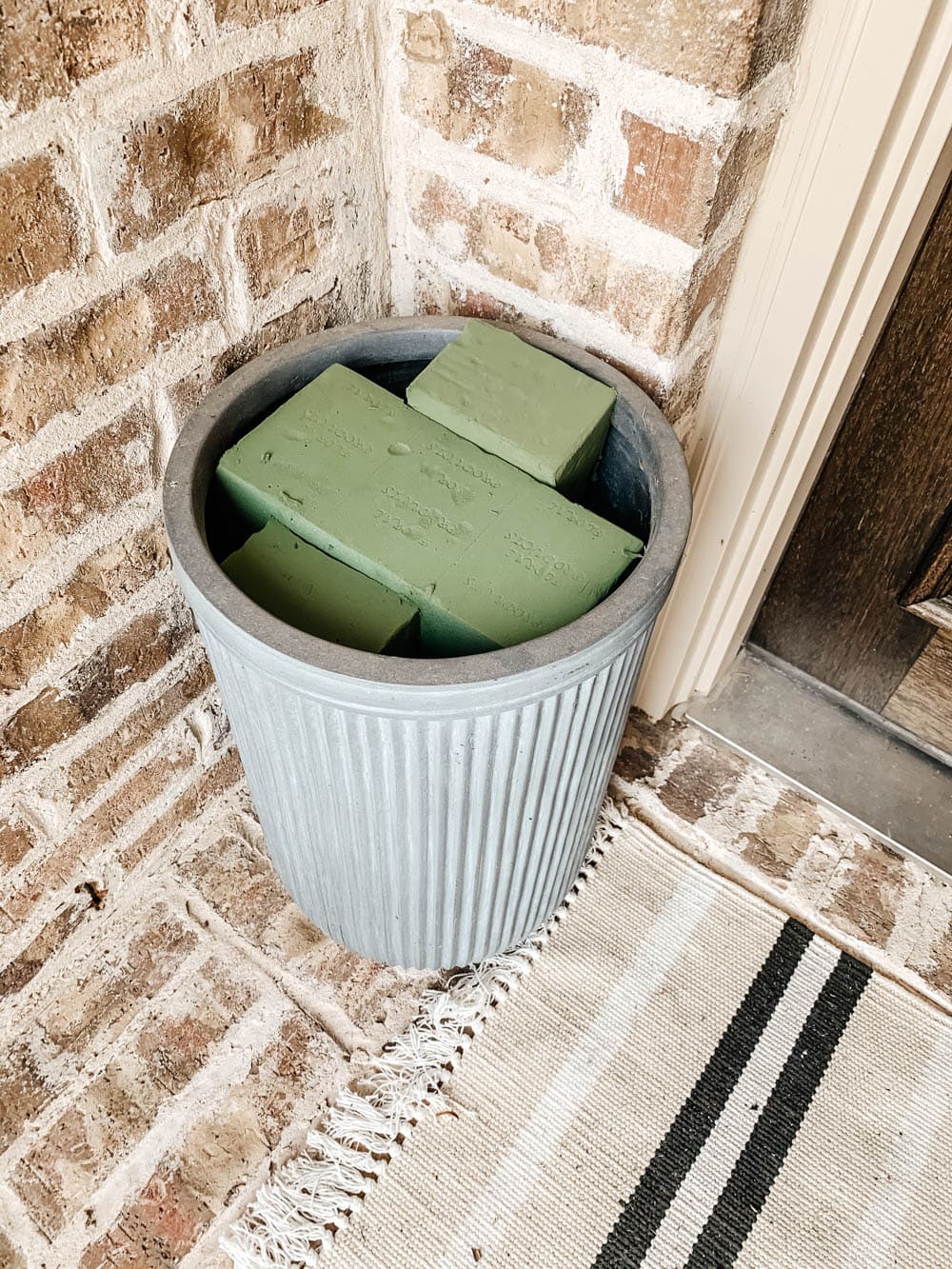
Floral foam provides a firm base inside the pot. Cut a block slightly larger than the container’s opening. This creates a tight fit, preventing the foam from moving.
Press the foam into the pot and trim any excess. Insert the plant stems directly into the foam. The foam holds stems steady and stops them from swaying in the wind.
Cover the foam surface with moss or small stones. This hides the foam and adds a natural look. Floral foam works best in dry conditions since it does not hold water well.
Applying Expanding Foam For Locking
Expanding foam secures stems and fills gaps in the pot. Spray a small amount of foam into the base before placing the plant. Hold the plant steady until the foam expands and hardens.
This method locks the stems in place and adds weight to the pot. Be careful not to use too much foam, as it can overflow. Expanding foam is weather-resistant and holds up well outdoors.
Trim any excess foam after it dries. This keeps the base neat and helps the plant stand straight.
Inserting Stems Into Chicken Wire
Chicken wire provides a strong frame inside the pot. Cut a piece to fit snugly at the top of the container. Shape it into a dome or flat layer depending on the pot size.
Press the wire gently into the pot, securing it around the edges. Insert plant stems through the wire mesh. The wire holds the stems tightly and prevents movement.
This method works well for larger plants with multiple stems. Cover the wire with decorative moss or stones to hide it from view.
Credit: www.balsamhill.com
Enhancing Stability
Enhancing the stability of artificial plants in outdoor pots keeps them secure and looking good. Strong winds and weather changes can easily move or topple lightweight plants. Proper methods help hold plants firmly in place. These techniques ensure your outdoor decor stays neat and safe.
Attaching Plants With Weather-resistant Adhesive
Weather-resistant adhesive creates a strong bond between plants and pots. Use glue made for outdoor use to avoid damage from rain or sun. Apply the adhesive to the plant base and pot surface. Press firmly and allow time to dry. This method prevents plants from shifting in wind or rain.
Anchoring With Wire Or Twist Ties
Wire or twist ties offer flexible, reusable support for securing plants. Wrap wire around the plant stems and anchor it to the pot or stake. Choose rust-resistant wire for outdoor durability. Twist ties also work well for light plants. This method allows easy repositioning while keeping plants stable.
Embedding Stems Deeply Into Soil Or Foam
Push plant stems deeply into soil or floral foam inside the pot. Use foam that fits snugly to hold the stems tight. The deeper the stems go, the less likely plants will move. Cover foam with decorative stones to hide it and add weight. This technique anchors plants firmly and looks natural.
Finishing Touches
Finishing touches enhance the look and stability of artificial plants outdoors. They help secure the plant and make the pot look natural. These small details protect your arrangement and keep it beautiful longer.
Covering Foam With Decorative Stones Or Moss
Use floral foam to hold the artificial plant stems firmly. Cover the foam surface with decorative stones or moss. This hides the foam and creates a natural soil look. Choose stones or moss that fit your garden style. It also adds weight to the pot, helping prevent tipping.
Applying Uv-resistant Spray
UV-resistant spray protects artificial plants from sun damage. It stops colors from fading and prevents plastic parts from cracking. Spray evenly on leaves and stems before placing the plant outdoors. Reapply the spray every few months for best results. This keeps your plant looking fresh and vibrant.
Maintaining Natural Appearance
Clean artificial plants regularly with a soft brush or cloth. Remove dust and dirt to keep leaves shiny and bright. Avoid harsh chemicals that may damage the material. Arrange leaves and flowers to look full and natural. Replace any worn parts to maintain a fresh look.
Preventing Wind Damage
Wind can easily knock over artificial plants placed outdoors. Preventing wind damage keeps your plants looking neat and intact. Securing them properly saves time and money on replacements. Use smart methods to reduce the risk of tipping or breaking from strong gusts.
Choosing Sheltered Locations
Place your artificial plants where wind is less strong. Near walls, fences, or under trees works well. These spots act as natural barriers against gusts. Avoid open spaces where wind can hit directly. Check the area during windy days to find the best spot.
Using Heavy Pots And Bases
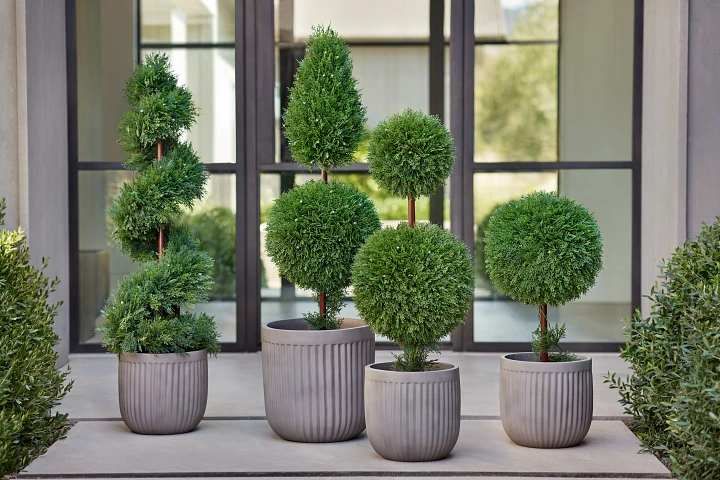
Choose pots made from sturdy materials like concrete or ceramic. Heavy pots stay stable and resist tipping. Add weight inside the pot using gravel, sand, or bricks. This increases the pot’s overall stability. Avoid light plastic pots that blow over easily.
Securing Plants Against Strong Gusts
Use wire or zip ties to anchor the plant to the pot. Wrap the wire gently around the stems and pot rim. Attach the plant firmly without damaging it. For extra hold, use floral foam inside the pot to lock stems in place. Secure the pot to the ground with stakes if needed.
Maintenance Tips
Maintaining artificial plants outdoors requires simple care steps. These help keep plants looking fresh and secure. Regular attention prevents damage and fading. Follow these maintenance tips to extend your plants’ life.
Regular Cleaning To Avoid Fading
Dust and dirt can dull artificial plants quickly. Clean plants gently with a soft brush or cloth. Use mild soap and water for stubborn spots. Rinse lightly and let air dry. Clean plants every few weeks to keep colors bright.
Inspecting For Loose Components
Check plants often for loose leaves or stems. Wind and weather can loosen parts over time. Tighten or reattach pieces with glue or wire. Secure plants firmly inside pots to avoid tipping or damage. Regular checks keep plants looking neat and stable.
Reapplying Uv Protection Seasonally
Sun exposure fades artificial plants. Apply a UV protection spray every season. Choose sprays made for outdoor use and safe for plastic. Spray evenly and allow to dry fully before placing plants outside. This step preserves vibrant colors and prevents cracking.
Frequently Asked Questions
How To Anchor Fake Outdoor Plants?
Anchor fake outdoor plants by placing floral foam or expanding foam inside a heavy pot. Insert stems firmly into the foam. Add decorative stones on top to secure. Use weather-resistant adhesive or wire for extra stability. Choose a heavy, wind-resistant planter to prevent tipping over.
How To Keep Outdoor Artificial Plants From Blowing Away?
Use a heavy pot and secure the plant with floral foam or expanding foam. Add stones or gravel on top for weight. Anchor stems with wire or weather-resistant adhesive. Choose sturdy containers and place them in sheltered spots to prevent blowing away.
How To Keep Fake Flowers In Outdoor Pots?
Use heavy pots with drainage holes and secure stems in floral or expanding foam. Add decorative stones on top. Anchor plants with weather-resistant adhesive or wire. Spray UV protectant to prevent fading. Place heavy items at the base to keep pots stable in wind.
How To Stop Fake Plant Pots Falling Over In Wind?
Place heavy materials like bricks or gravel at the pot’s base to prevent tipping. Use floral or expanding foam to secure stems. Anchor plants with weather-resistant adhesive or wire. Choose sturdy, heavy pots designed for outdoor use to withstand wind effectively.
Conclusion
Securing artificial plants outdoors keeps them looking neat and fresh. Use heavy pots and add weight inside to stop tipping. Fix plants firmly with foam or wire for extra hold. Check plants regularly and adjust if wind loosens them. These simple steps protect your plants and save time.
Enjoy your outdoor space with worry-free greenery all year round.