You love your snake plant for its tough, low-maintenance nature and sleek look. But have you ever wondered what happens if you don’t replant it?
Ignoring this simple step could quietly harm your plant without you realizing it. Your snake plant might survive for a while, but over time, problems like root crowding and poor soil health can stunt its growth and vitality. If you want your snake plant to stay vibrant and healthy, it’s important to understand why replanting matters—and what risks you face if you skip it.
Keep reading to discover the signs your plant needs a new home and how to avoid common mistakes that could cost your snake plant its life.
Credit: www.reddit.com
Signs Your Snake Plant Needs Repotting
If you’ve had your snake plant for a while, you might wonder when it’s time to give it a new home with fresh soil. Knowing the signs that your snake plant needs repotting can save you from many problems down the line. Pay attention to how your plant behaves and looks; it often tells you when it’s feeling cramped or unhappy in its current pot.
Root Bound Symptoms
One clear sign your snake plant needs repotting is when the roots start crowding the pot. You might notice roots growing out of the drainage holes or circling tightly inside the pot. This root bound condition restricts the plant’s ability to absorb water and nutrients.
I once ignored this and saw my snake plant’s leaves turning yellow and wilting. After repotting, it bounced back quickly. Don’t wait too long—check your plant’s roots every year or so to avoid this problem.
Slow Growth Or Stunted Leaves
If your snake plant seems stuck and isn’t growing new leaves, it may need more room to thrive. Slow or stunted growth often means the plant is struggling to find space for its roots. This lack of space limits nutrient uptake, causing the leaves to stay small or stop growing.
Ask yourself: Has your snake plant stopped growing despite regular care? If yes, try moving it to a bigger pot with fresh soil. You’ll likely see new growth within weeks.
Soil Condition Deterioration
Over time, the soil in your snake plant’s pot can break down and lose its ability to drain well. Old soil may become compacted, hold too much moisture, or even develop a bad smell. These conditions can cause root rot and other health issues.
Check your soil’s texture and smell every now and then. If it feels dense or smells musty, it’s time to repot. Fresh soil will give your snake plant the nutrients and airflow it needs to stay healthy.

Credit: www.reddit.com
Effects Of Not Replanting
Not replanting a snake plant can harm its growth and health. The plant may stop growing well and look tired. Problems start below the soil, affecting the roots and overall care. Understanding these effects helps you keep your snake plant strong and thriving.
Restricted Root Growth
Without replanting, roots run out of space. They become crowded and twist around each other. This limits their ability to absorb water and nutrients. Crowded roots make the plant unstable in the soil. Growth slows down as roots struggle to expand.
Nutrient Deficiency
Old soil loses nutrients over time. Snake plants need fresh soil to get enough food. Without replanting, the soil becomes poor and weak. The plant shows yellow leaves and slow growth. Lack of nutrients stops the plant from staying healthy.
Water Drainage Problems
Soil compacts as it ages, holding too much water. Poor drainage causes root rot and other diseases. Water pools around the roots and does not drain well. The plant’s roots can drown and die. Replanting refreshes the soil and fixes drainage issues.
Health Risks To The Plant
Neglecting to replant a snake plant can cause serious health risks. Over time, the plant’s growth slows and its vitality drops. Staying in the same pot without fresh soil limits access to nutrients. The root system becomes cramped, harming overall health. These conditions make the plant weak and vulnerable.
Below are some common health problems that occur when a snake plant is not repotted.
Increased Susceptibility To Pests And Diseases
A crowded root system stresses the snake plant. Stress lowers the plant’s natural defenses. Pests like spider mites and mealybugs find it easier to invade. Diseases caused by fungi or bacteria spread faster in weak plants. Without repotting, these threats grow unchecked and damage the plant.
Root Rot Development
Old soil holds excess moisture and decaying matter. Poor drainage leads to waterlogged conditions around the roots. This environment encourages root rot, a dangerous fungal infection. Root rot causes roots to turn black and mushy. The plant cannot absorb water or nutrients properly, which harms its health severely.
Yellowing Or Wilting Leaves
Leaves turn yellow or wilt when roots are unhealthy. Nutrient deficiencies from old soil cause discoloration. Lack of space restricts root growth and water uptake. Wilting leaves signal the plant is under stress. These visible symptoms warn that repotting is necessary to save the plant.
Impact On Plant Longevity
Snake plants are known for their hardiness and long life. Their longevity depends on care and environment. Repotting helps maintain healthy roots and fresh soil. Avoiding this step can harm the plant over time. Below, learn how skipping replanting affects a snake plant’s lifespan and strength.
Reduced Lifespan
Roots fill up the pot and lose room to grow. Crowded roots stop absorbing nutrients well. Old soil loses its nutrients and becomes compacted. This limits water and air flow around the roots. The plant starts to weaken and age faster. Without repotting, the snake plant’s life shortens noticeably.
Decreased Resilience To Stress
Stressed plants struggle to fight pests and diseases. Packed roots make the plant less able to handle drought. The snake plant becomes fragile under temperature changes. It loses its natural ability to bounce back. Repotting refreshes the environment, boosting its strength. Without it, the plant is more likely to suffer damage.
When Repotting Might Not Be Necessary
Repotting a snake plant is not always required. This hardy plant often thrives even when left in the same pot for a long time. Understanding when repotting is unnecessary helps avoid stress to the plant and saves time. Some snake plants prefer to stay cozy in their pots. Their growth and health can remain strong without a bigger container.
Crowding Preference Of Snake Plants
Snake plants enjoy some crowding. Their roots like to be snug and packed. Overcrowding does not harm them but can actually encourage better growth. This plant naturally grows in tight spaces in the wild. Keeping it crowded mimics its natural habitat. So, a snake plant in a small pot is often happy.
Healthy Growth In Current Pot
A snake plant showing healthy leaves and steady growth likely does not need repotting. If the soil drains well and the roots have space, the plant stays strong. Watch for yellowing leaves or slow growth as signs of stress. Without these signs, the plant is doing fine. Regular watering and light care keep it thriving in the same pot.
Best Practices For Repotting
Repotting a snake plant helps it stay healthy and grow well. Following best practices ensures the plant adapts quickly to its new home. Use the right pot, soil, timing, and care to avoid stress and damage. This section guides you through essential steps for successful repotting.
Choosing The Right Pot And Soil
Select a pot with drainage holes to prevent water buildup. Avoid pots that are too large; the snake plant prefers a snug fit. Use well-draining soil made for succulents or cacti. This soil type keeps roots dry and prevents rot. Adding perlite or sand improves drainage and airflow.
Proper Timing And Technique
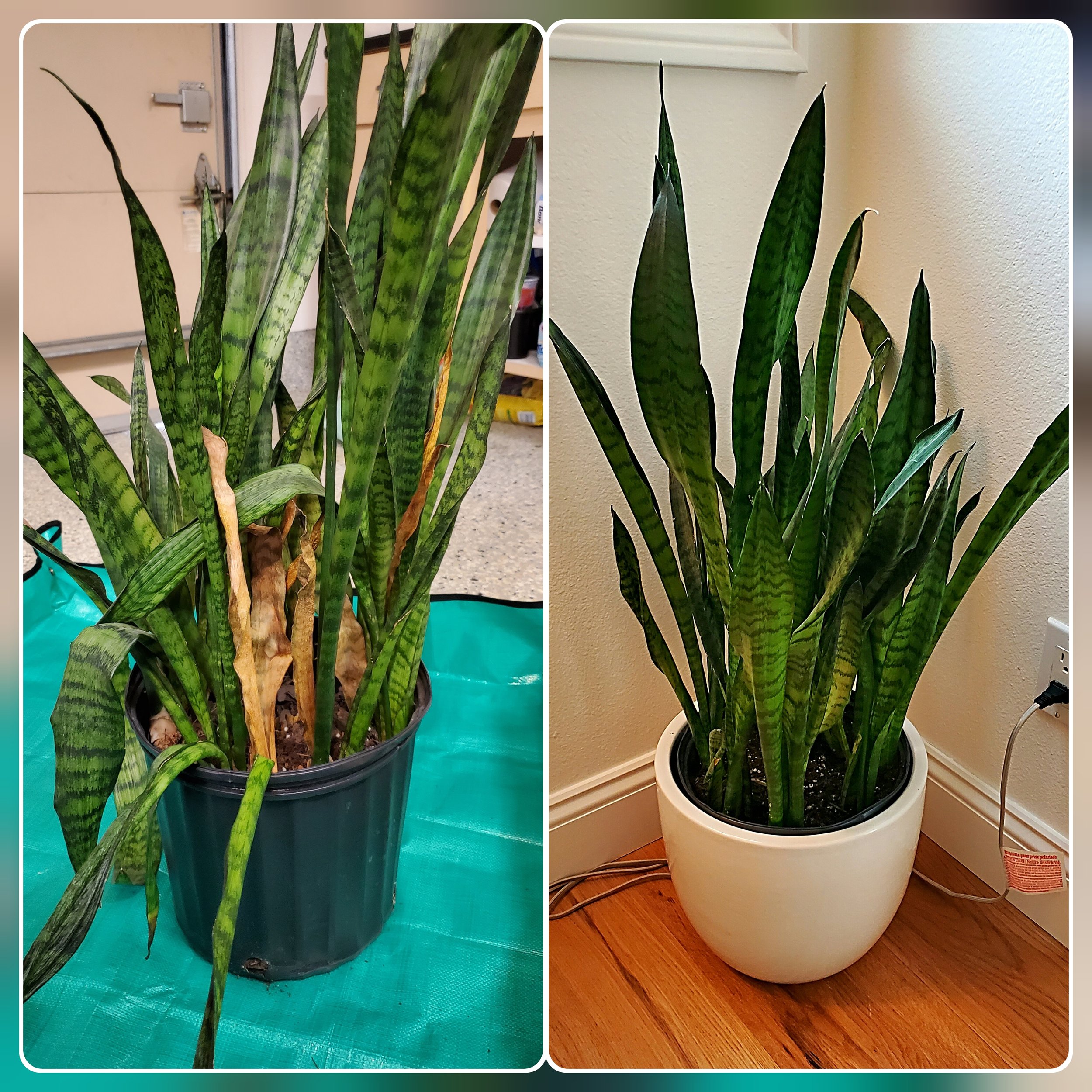
Repot during spring or early summer when the plant grows actively. Gently remove the snake plant from its current pot without damaging roots. Loosen the root ball to encourage new growth. Place the plant in the new pot at the same depth as before. Fill gaps with fresh soil and press lightly to secure the plant.
Post-repotting Care
Water the snake plant lightly after repotting. Avoid soaking the soil to reduce root stress. Keep the plant in indirect light for a few days. This helps it recover from transplant shock. Resume normal watering once the plant shows new growth signs.
Credit: www.zenplantcare.com
Frequently Asked Questions
Is Snake Plant Can Cure Arthritis?
Snake plants cannot cure arthritis. They may improve air quality and reduce inflammation but do not treat arthritis directly.
What Happens If You Don’t Repot A Snake Plant?
Neglecting to repot a snake plant can cause root crowding and nutrient depletion. This limits growth and may lead to poor health. Over time, the plant becomes stressed and less vibrant. Repotting refreshes soil and provides space for roots to expand, promoting strong, healthy growth.
What Is The Lifespan Of A Snake Plant?
A snake plant can live 5 to 25 years with proper care. It thrives longer in bright, indirect light and well-drained soil.
What Makes A Snake Plant Happy?
Snake plants thrive in bright, indirect light and well-draining soil. Water only when soil is dry. They prefer being slightly root-bound.
Conclusion
Neglecting to replant a snake plant can limit its growth and health. Over time, roots may become crowded and soil nutrients deplete. This can cause the plant to weaken and stop thriving. Snake plants prefer tight pots but need fresh soil occasionally.
Repotting helps them absorb water and nutrients better. Keep an eye on root health and pot size. Simple care keeps your snake plant vibrant and strong for years.