Are you ready to add a unique, low-maintenance plant to your collection? Sansevieria bacularis, also known as the Mikado snake plant, is a striking and easy-to-care-for houseplant that can thrive in your home or office.
If you want to know exactly how to plant, grow, and care for this beautiful plant, you’re in the right place. In this guide, you’ll discover simple steps to keep your Sansevieria bacularis healthy and growing strong. Whether you’re a beginner or have some experience, these tips will help you enjoy the clean air and elegant look this plant brings.
Keep reading to unlock the secrets to making your Sansevieria bacularis flourish!
Credit: palmcentre.co.uk
Choosing The Right Sansevieria Bacularis
Choosing the right Sansevieria bacularis sets the stage for a healthy plant. This species offers unique styles and sizes that suit different spaces. Picking a variety that matches your environment and care ability improves success. Healthy plants start with good choices.
Popular Varieties
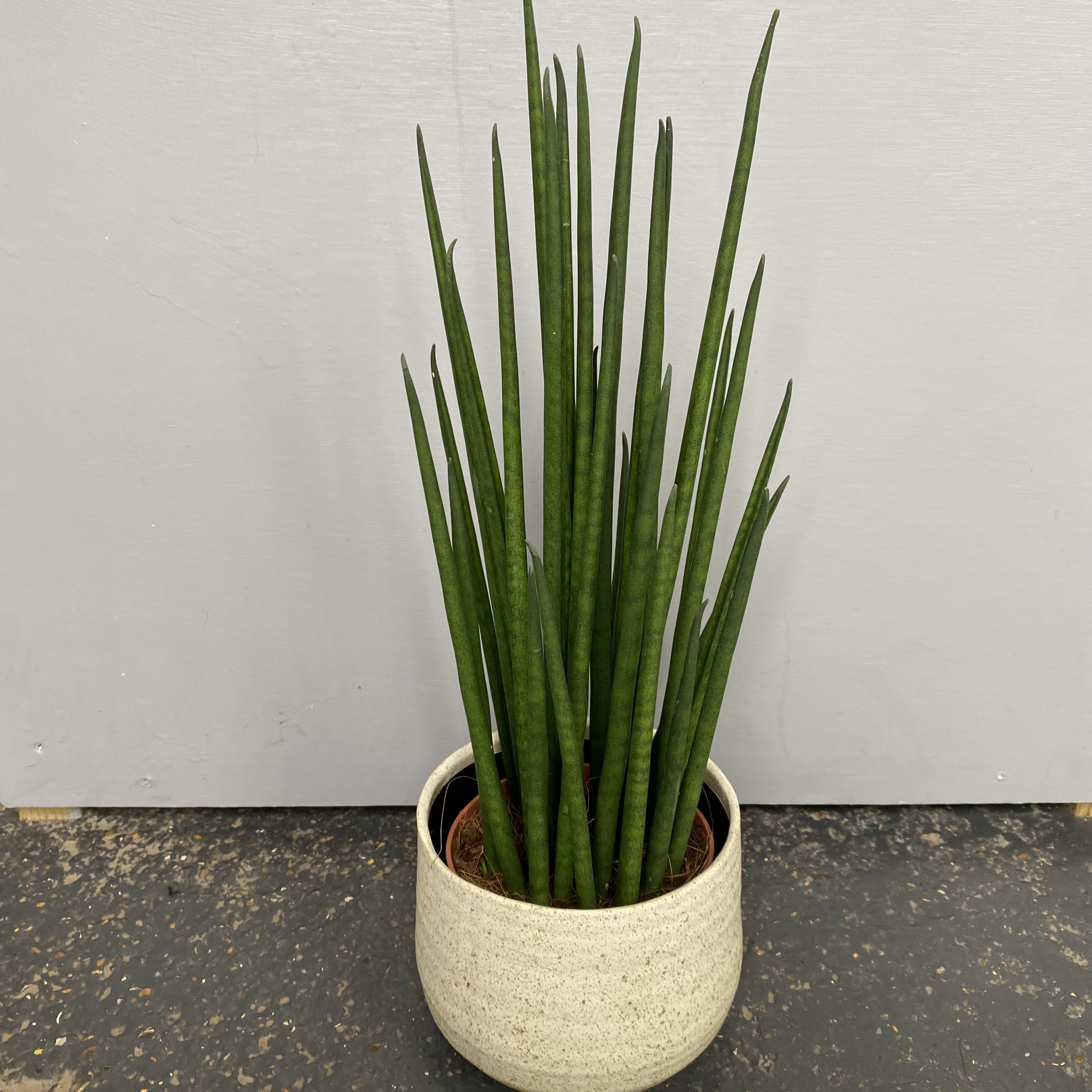
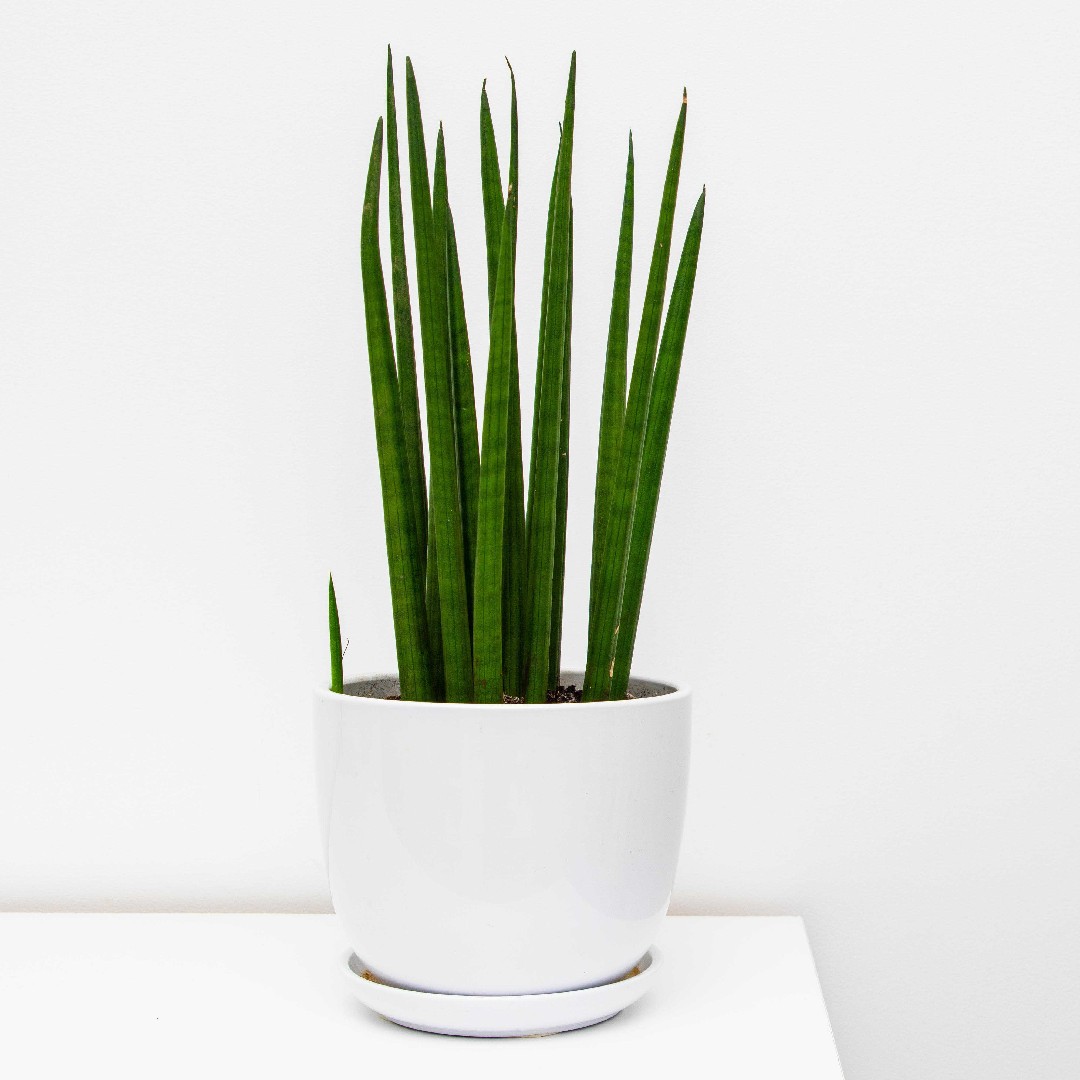
Sansevieria bacularis comes in several popular types. ‘Mikado’ features tall, thin leaves with dark green stripes. ‘Golden Hahnii’ is shorter with bright yellow edges. Each variety varies in height and leaf shape. Choose one that fits your room size and light levels. Some are better for low light, while others need bright indirect light.
Where To Buy Healthy Plants
Buy Sansevieria bacularis from reputable garden centers or nurseries. Check the leaves for firm texture and no spots. Avoid plants with yellowing or wilting leaves. Online plant shops also offer good options, but verify reviews first. Healthy roots and strong leaves indicate a good start. This helps your plant grow strong and last long.
Credit: www.picturethisai.com
Ideal Planting Conditions
Sansevieria bacularis thrives best when planted in the right environment. Providing ideal conditions helps the plant grow strong and healthy. Paying attention to soil, pot, and light can make a big difference. These factors create the foundation for your plant’s success.
Soil Requirements
Use well-draining soil to prevent root rot. A cactus or succulent mix works great. You can also mix regular potting soil with sand or perlite. This mix allows water to flow freely and keeps roots dry. Avoid heavy soils that hold too much moisture. Good drainage is key to healthy Sansevieria bacularis.
Pot Selection And Drainage
Choose a pot with drainage holes at the bottom. This prevents water from sitting in the pot. Sansevieria bacularis prefers to be slightly root-bound. Select a pot that fits snugly but does not crowd the roots. Terra cotta pots are excellent as they allow air flow. Avoid pots without drainage as they can cause root rot.
Light Preferences
Sansevieria bacularis grows best in moderate to bright indirect light. It can tolerate low light but grows slower. Avoid direct sunlight which can scorch the leaves. A spot near a north or east-facing window is ideal. Rotate the plant occasionally for even growth. Proper light helps the plant maintain its shape and color.
Planting Steps
Planting Sansevieria bacularis is simple and rewarding. Follow these steps to ensure your plant thrives from the start. Proper preparation and care during planting lead to healthy growth and long-lasting beauty. Let’s explore the key steps.
Preparing The Soil Mix
Use a well-draining soil mix for Sansevieria bacularis. A cactus or succulent mix works best. You can also mix regular potting soil with sand or perlite. This prevents water from sitting and causing root rot. The soil should be loose and airy to allow roots to breathe.
Transferring To A Pot
Choose a pot with drainage holes to avoid excess moisture. Gently remove the plant from its current container. Place the roots in the new pot. Add soil around the roots, pressing lightly to keep the plant stable. Avoid packing soil too tightly. Leave some space at the top for watering.
Watering After Planting
Water the plant lightly right after planting. This helps settle the soil around the roots. Avoid soaking the soil. Let the soil dry out before watering again. Sansevieria bacularis prefers dry conditions and can suffer from overwatering. Check soil moisture regularly to keep your plant happy.

Credit: www.youtube.com
Watering And Feeding
Pruning and grooming are key to keeping Sansevieria bacularis healthy and attractive. These tasks help remove old or damaged parts and shape the plant. Regular care prevents issues and encourages strong growth.
Removing Dead Leaves
Start by checking your plant for any dead or yellow leaves. Use clean scissors or pruning shears to cut these leaves at the base. Removing dead leaves stops disease and pests from spreading. It also helps the plant focus energy on healthy growth.
Shaping The Plant
Sansevieria bacularis grows tall and slender. Trim any overly long leaves to keep a neat shape. Cut leaves at the base or just above a leaf node. This encourages the plant to grow fuller and more compact. Shaping improves its look and balance.
Managing Leaning Growth
Sometimes Sansevieria bacularis leans due to uneven light or weight. Rotate the plant regularly to promote even growth. If a leaf leans too much, gently support it with a stake. Trimming leaning leaves can also help the plant stay upright. Managing leaning growth keeps your plant stable and healthy.
Light And Temperature Needs
Repotting Sansevieria bacularis is key to its health and growth. This plant prefers snug pots but will need repotting as it grows. Proper repotting refreshes soil nutrients and encourages new root development. Follow these guidelines to repot your Sansevieria with care.
When To Repot
Repot Sansevieria bacularis every 2 to 3 years. Signs include roots growing out of drainage holes. Leaves may lean or slow in growth. Early spring is the best time to repot. Avoid repotting during winter dormancy.
Choosing New Pots
Select a pot 1 to 2 inches larger in diameter than the current one. Use pots with drainage holes to prevent water buildup. Terracotta pots help soil dry faster. Avoid deep pots, as Sansevieria prefers shallow containers.
Handling Root Bound Plants
Gently remove the plant from its pot. Check for tangled or circling roots. Trim any dead or rotten roots with clean scissors. Loosen the root ball slightly to encourage growth. Place the plant in new soil and pot without burying it too deep.
Pruning And Grooming
Sansevieria bacularis is a resilient plant but faces some common issues. Knowing these problems helps keep your plant healthy. This section covers key problems and solutions. Follow these tips to maintain a thriving Sansevieria bacularis.
Pests To Watch For
Spider mites and mealybugs often attack Sansevieria bacularis. These pests cause spots and damage leaves. Check leaves regularly for tiny webs or white cottony spots. Wipe affected areas with a damp cloth. Use insecticidal soap or neem oil for severe infestations. Keep your plant clean and dust-free to prevent pests.
Dealing With Root Rot
Root rot happens from overwatering or poor drainage. Soft, black roots and a foul smell indicate root rot. Remove the plant from its pot and check roots carefully. Trim away damaged roots with clean scissors. Repot the plant in fresh, well-draining soil. Water only when the soil is dry to the touch. Ensure your pot has drainage holes to avoid water buildup.
Correcting Yellowing Leaves
Yellow leaves often signal too much water or low light. Cut off yellow leaves at the base with clean scissors. Adjust watering habits by letting soil dry between waterings. Move the plant to a brighter spot with indirect sunlight. Avoid direct sun, which can scorch the leaves. Regular care will restore the plant’s green, healthy look.
Frequently Asked Questions
Can I Put My Snake Plant In Water Instead Of Soil?
Yes, snake plants can grow in water. Change the water regularly and provide bright, indirect light for healthy growth.
How Do You Take Care Of A Bacularis Snake Plant?
Water Sansevieria bacularis sparingly, letting soil dry completely between watering. Use well-draining soil and place in bright, indirect light. Avoid overwatering to prevent root rot. Keep in a snug pot, and repot only when root-bound.
Are Coffee Grounds Good For Snake Plants?
Coffee grounds can benefit snake plants by improving soil drainage and adding nutrients. Use them sparingly to avoid over-acidity.
Do Sansevieria Like Deep Pots?
Sansevieria prefers snug pots rather than deep ones. Shallow pots help prevent overwatering and root rot. Choose well-draining soil for healthy growth.
Conclusion
Sansevieria bacularis is a tough and beautiful plant to grow. It needs well-draining soil and bright, indirect light. Water it only when the soil feels dry to avoid root rot. This plant thrives in snug pots and does not require much care.
With simple steps, your Sansevieria will grow healthy and strong. Enjoy its unique look and easy maintenance for a long time. Keep watching its needs, and your plant will flourish.