If you want a striking, low-maintenance plant that adds a touch of elegance to your home or office, Sansevieria Kirkii is an excellent choice. This unique snake plant variety not only looks amazing with its bold, sculptural leaves but also thrives with minimal effort.
Whether you’re a seasoned plant lover or just starting out, learning how to plant, grow, and care for Sansevieria Kirkii will help you keep it healthy and vibrant for years to come. Ready to transform your space with this beautiful and resilient plant?
Keep reading to discover simple tips and tricks that make caring for Sansevieria Kirkii easy and enjoyable.
Choosing The Right Sansevieria Kirkii
Choosing the right Sansevieria Kirkii is key for a thriving plant. This unique snake plant offers several varieties with different looks. Picking a healthy plant ensures easier growth and care. Understanding the popular types and how to spot a healthy one helps you make a good choice. Here are important tips on selecting your Sansevieria Kirkii.
Popular Varieties
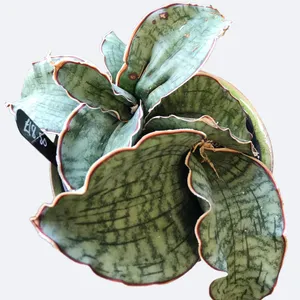
Sansevieria Kirkii has several popular varieties. ‘Silver Blue’ shows wide, silvery leaves with faint stripes. ‘Coppertone’ stands out with its green leaves edged in coppery orange. ‘Pulchra’ features thick, upright leaves with spots and stripes. Each variety fits different decor styles. Choose one that matches your space and light conditions. Varieties differ in size and color but share the same easy care.
Identifying Healthy Plants
Look for firm, upright leaves without spots or yellowing. Avoid plants with soft or wilted leaves. Check the base for signs of rot or pests. Healthy Sansevieria Kirkii plants have vibrant leaf color. Inspect the roots if possible; they should be white and firm. A healthy plant will grow steadily and resist disease. Starting with a strong plant reduces future care problems.
Ideal Planting Conditions
Sansevieria Kirkii thrives best under specific planting conditions. These conditions help the plant grow healthy and strong. Proper soil, pot choice, and light exposure are crucial. Each factor affects the plant’s ability to absorb nutrients and water.
Understanding these needs will make your Sansevieria Kirkii flourish for years.
Soil Requirements
Use well-draining soil to prevent root rot. A cactus or succulent mix works well. You can mix regular potting soil with sand or perlite. This combination improves drainage and airflow around the roots. Avoid heavy or clay soils that hold water. Good soil lets water pass quickly but still holds some moisture.
Pot Selection
Choose a pot with drainage holes at the bottom. This helps excess water escape easily. Avoid pots without drainage because water can pool and harm roots. Terra cotta pots are a great option. They allow air to reach the soil and dry out faster. Pick a pot slightly larger than the root ball. This gives room for growth but avoids excess soil that stays wet.
Best Location And Light
Sansevieria Kirkii prefers bright, indirect sunlight. Place it near a window with filtered light. Direct sunlight may burn the leaves, so avoid harsh afternoon sun. The plant can tolerate low light but grows slower. A spot with moderate light helps maintain its shape and color. Keep it away from cold drafts and sudden temperature changes.
Planting Sansevieria Kirkii
Planting Sansevieria Kirkii sets the foundation for healthy growth. This unique snake plant thrives with the right soil, pot, and location. Proper planting helps the plant establish strong roots and resist pests and diseases. Follow the steps below to plant your Sansevieria Kirkii correctly and ensure it grows well indoors or outdoors.
Step-by-step Planting Guide
Choose a pot with drainage holes to prevent water buildup. Use well-draining soil, like cactus or succulent mix. Fill the pot halfway with soil. Place the Sansevieria Kirkii in the center. Add soil around the roots, pressing gently to remove air pockets. Water lightly after planting to settle the soil. Avoid soaking the soil, as the plant prefers dry conditions. Place the pot in bright, indirect light for best results.
Spacing And Arrangement
Space each Sansevieria Kirkii at least 6 to 12 inches apart. This spacing allows air to circulate and reduces disease risk. Group plants with similar light and water needs together. Avoid overcrowding pots to give each plant room to grow. Proper arrangement helps your plants look neat and stay healthy over time.
Credit: www.picturethisai.com
Watering And Humidity
Proper watering and humidity care are essential for Sansevieria Kirkii to thrive. This plant prefers dry conditions and is quite drought tolerant. Overwatering can cause root problems and damage the plant. Understanding its watering needs and humidity preferences will keep your Sansevieria healthy and strong.
Watering Frequency
Water Sansevieria Kirkii only when the top 2-3 inches of soil feel dry. During warmer months, this usually means watering every 2-3 weeks. In winter, reduce watering to once a month or less. Always let the soil dry out completely between waterings. Avoid leaving water in the saucer to prevent root rot.
Signs Of Overwatering
Yellowing leaves and soft, mushy stems indicate overwatering. The soil may smell musty or moldy. Roots can become black and slimy. If you see these signs, reduce watering immediately. Remove the plant from its pot and check the roots. Trim off any rotten roots and repot in fresh, well-draining soil.
Humidity Preferences
Sansevieria Kirkii prefers low to moderate humidity levels. It does well in typical indoor environments without extra misting. High humidity or damp air can encourage fungal growth. Keep the plant in a room with good air circulation. Avoid placing it near humidifiers or in very damp areas.
Feeding And Fertilizing
Feeding and fertilizing Sansevieria kirkii helps keep the plant healthy and vibrant. Proper nutrients support steady growth and strong leaves. This plant does not need heavy feeding but benefits from occasional fertilizing during the growing season.
Choosing The Right Fertilizer
Use a balanced, water-soluble fertilizer with equal amounts of nitrogen, phosphorus, and potassium. A 10-10-10 or 20-20-20 formula works well. Avoid fertilizers high in nitrogen to prevent overly soft leaves. Organic options like fish emulsion or seaweed extract are gentle and effective. Dilute fertilizer to half the recommended strength to avoid root burn.
Fertilizing Schedule
Feed Sansevieria kirkii once every 4 to 6 weeks during spring and summer. Skip feeding in fall and winter when growth slows down. Always water the plant before applying fertilizer to protect roots. Monitor your plant’s response and reduce feeding if leaves turn yellow or show signs of stress.
Light And Temperature Needs
Sansevieria Kirkii thrives when it receives the right light and temperature. These factors influence its growth and overall health. Understanding its needs helps you keep the plant vibrant and strong.
Preferred Light Levels
Sansevieria Kirkii prefers bright, indirect light. It can handle some direct sunlight but avoid harsh afternoon rays. Too much sun causes leaf burn and fading. In low light, the plant grows slower and may lose its vibrant color. A spot near a window with filtered light works well. It also adapts to moderate shade, making it versatile for indoor spaces.
Temperature Range
This plant grows best in temperatures between 60°F and 85°F. It does not tolerate cold drafts or frost. Keep it away from windows or doors that open to cold air. Sudden temperature drops can damage the leaves. Avoid placing it near heating vents as well. A stable, warm environment supports steady growth and helps prevent stress.
Pruning And Grooming
Propagation is key to growing more Sansevieria Kirkii plants. It helps share your plant or replace older ones. This plant is easy to propagate with a few simple methods. Each method has its own steps and best conditions. Understanding these methods makes growing new plants easier and more successful.
Division
Division is the fastest way to multiply Sansevieria Kirkii. Gently remove the plant from its pot. Look for natural clumps or sections with roots. Use a clean knife to cut the root ball into smaller parts. Each part should have healthy roots and leaves. Plant each division in fresh, well-draining soil. Water lightly and keep in indirect light until new growth appears.
Leaf Cuttings
Leaf cuttings work well but take more time to grow. Choose a healthy leaf and cut it near the base. Cut the leaf into 3-4 inch sections. Let the cut pieces dry for a day to form calluses. Plant the cuttings upright in moist, sandy soil. Keep the soil lightly moist but not wet. Roots and new shoots will start to form after a few weeks.
Rooting Tips
Healthy roots increase propagation success. Use a sharp, clean knife to avoid infections. Let cut surfaces dry before planting to prevent rot. Use a well-draining soil mix with sand or perlite. Water only when the soil dries out. Keep the plant in warm, indirect light. Patience is important; new roots can take weeks to develop. Avoid overwatering to prevent root rot.

Credit: jomostudio.com
Propagation Methods
Sansevieria Kirkii is a resilient plant, but pests and diseases can still affect its health. Knowing how to spot and handle these problems keeps your plant strong and thriving. Regular checks help catch issues early. Healthy care practices also reduce risks.
Common Pests
Spider mites often target Sansevieria Kirkii, causing tiny yellow spots. Mealybugs appear as white, cottony masses on leaves. Scale insects look like small brown bumps and suck plant juices. These pests weaken the plant and slow growth.
Watch for sticky residue or webbing on leaves. These signs show pest activity. Early detection helps control infestations before damage worsens.
Disease Prevention
Prevent diseases by avoiding overwatering. Sansevieria Kirkii prefers dry soil between waterings. Use well-draining soil to stop root rot. Keep leaves dry to prevent fungal infections. Good air circulation around the plant lowers disease chances.
Clean tools and pots before use. Quarantine new plants away from healthy ones to avoid spreading pests or diseases. Regularly remove dead or damaged leaves.
Treatment Options
For pests, wipe leaves with a cloth dipped in soapy water. Use insecticidal soap sprays for larger infestations. Neem oil is effective against many pests and is safe for indoor plants. Repeat treatments every few days until pests disappear.
Root rot requires removing affected roots and repotting in fresh soil. Fungicides help control fungal diseases. Always follow product instructions carefully. Prompt treatment restores plant health and prevents spread.
Pests And Diseases
Troubleshooting common issues with Sansevieria kirkii helps keep your plant healthy. This guide covers yellowing leaves, slow growth, and leaf spots. Early attention prevents more serious problems. Understand each symptom and fix it quickly.
Yellowing Leaves
Yellow leaves usually mean overwatering. Sansevieria kirkii prefers dry soil between watering. Check if the pot has good drainage. Remove any standing water from the tray. Yellow leaves may also appear if the plant gets too much direct sunlight. Move it to a brighter but indirect light spot.
Slow Growth
Slow growth is normal in low light. Sansevieria kirkii grows best in bright, indirect light. Use a balanced fertilizer during spring and summer. Avoid feeding in winter when growth naturally slows. Check if the soil is compacted. Repotting in fresh soil can help roots breathe and grow.
Leaf Spots
Leaf spots often come from fungal infections. Avoid wetting leaves when watering. Improve air circulation around the plant. Remove affected leaves to stop spread. Use a mild fungicide if spots worsen. Clean your tools before and after use to prevent infections.

Credit: www.youtube.com
Frequently Asked Questions
How Big Do Sansevieria Kirkii Get?
Sansevieria kirkii typically grows 1 to 2 feet tall. Its width can reach up to 1 foot. Growth remains slow and compact.
Are Coffee Grounds Good For Snake Plants?
Coffee grounds can benefit snake plants by improving soil drainage and adding nutrients. Use them sparingly to avoid acidity buildup.
Is It Better To Root A Snake Plant In Water Or Soil?
Rooting a snake plant in soil is better for strong, healthy growth. Water rooting is faster but less reliable. Soil provides nutrients and stability.
How Do You Care For A Sansevieria Kirkii?
Place Sansevieria kirkii in bright, indirect light. Water only when soil dries several inches deep. Avoid overwatering and cold drafts. Use well-draining soil and allow winter dryness. Fertilize sparingly during growing season for best growth.
Conclusion
Sansevieria kirkii makes a great addition to any plant collection. It grows well with minimal care and thrives in bright, indirect light. Water only when the soil feels dry to avoid root rot. This plant adapts well to indoor and outdoor spaces.
With patience and simple care, your Sansevieria kirkii will stay healthy and vibrant. Enjoy watching this unique snake plant grow over time.