Is your snake plant looking droopy, yellowing, or just not thriving like it used to? Chances are, watering issues might be to blame.
You might think you’re doing everything right, but even a small watering mistake can quickly harm your snake plant. The good news? Fixing these problems is easier than you think—and with the right steps, your snake plant can bounce back healthy and strong.
Keep reading to discover how you can spot watering problems early and exactly what to do to save your plant before it’s too late. Your snake plant’s best days are still ahead!
Signs Of Watering Problems
Recognizing signs of watering problems in your snake plant helps prevent serious damage. Snake plants are tough but sensitive to water issues. Watch for changes in leaves and soil. Early detection stops further harm and keeps your plant healthy.
Yellowing And Drooping Leaves
Leaves turning yellow signal too much or too little water. Drooping leaves often mean the plant is stressed. Check soil to decide if watering is the cause. Yellow and limp leaves show your snake plant needs care.
Soft And Mushy Leaf Texture
Soft, mushy leaves point to overwatering. Excess water causes root rot, making leaves weak. This texture means the plant struggles to stay firm. Remove damaged leaves and adjust watering to help recovery.
Brown Leaf Tips And Edges
Brown tips and edges often result from underwatering. Dry soil causes leaf tips to dry out. Brown edges can also appear from inconsistent watering. Keep watering steady to prevent these brown spots.
Soil Moisture Levels
Soil moisture tells a lot about watering health. Always check soil before watering your snake plant. Soil should dry out completely between waterings. Wet or soggy soil leads to root problems and leaf damage.
Avoiding Overwatering
Overwatering is a common problem with snake plants. It causes root rot and yellow leaves. Avoiding overwatering helps your plant stay healthy and strong. Knowing how often to water and the right soil setup is key.
Proper Watering Frequency
Snake plants need less water than other houseplants. Water only when the top inch of soil feels dry. During winter, reduce watering even more. Overwatering often happens when you water too often.
Checking Soil Drainage
Good drainage prevents water from staying in the soil. Check if water drains quickly after watering. If the soil stays soggy, roots can rot. Make sure your pot has drainage holes at the bottom.
Choosing The Right Pot And Soil
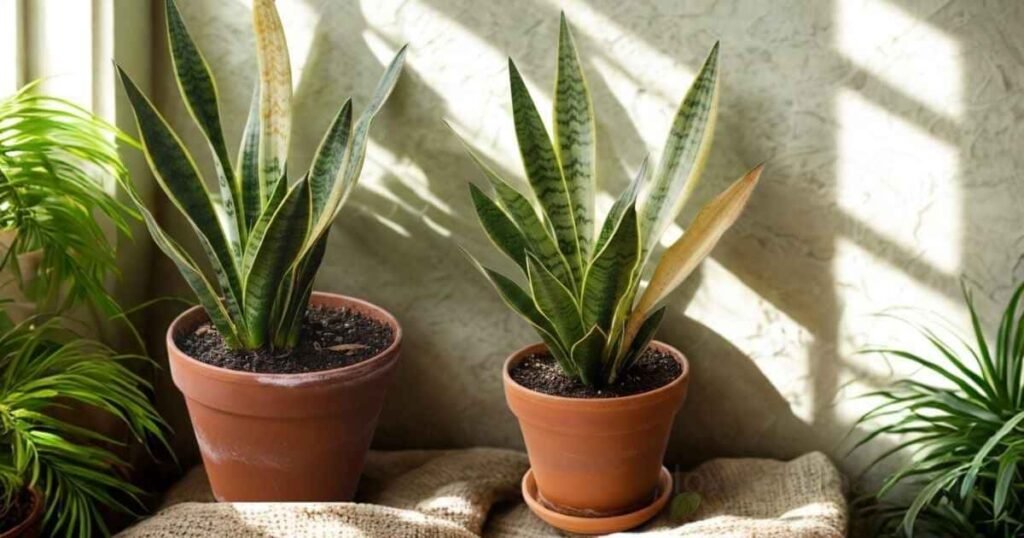
Choose pots made of breathable materials like terracotta. These help soil dry faster. Avoid pots without drainage holes. Use soil that does not hold too much water. This stops excess moisture around roots.
Using Well-draining Soil Mix
Use a soil mix designed for succulents or cacti. These mixes drain water quickly and air reaches the roots. You can add perlite or sand to regular potting soil. This improves drainage and stops water buildup.
Fixing Overwatered Plants
Overwatering is a common problem for snake plants that can cause serious damage. The roots may start to rot, and leaves become soft or discolored. Fixing an overwatered snake plant requires quick action and careful steps. The goal is to stop further damage and help the plant recover.
Stopping Watering Immediately
Stop watering your snake plant right away. The soil should dry out completely before watering again. Overwatering keeps the roots wet and causes rot. Allow the plant to rest and absorb moisture from the soil slowly. This pause helps the roots regain strength and prevents further harm.
Removing Damaged Leaves
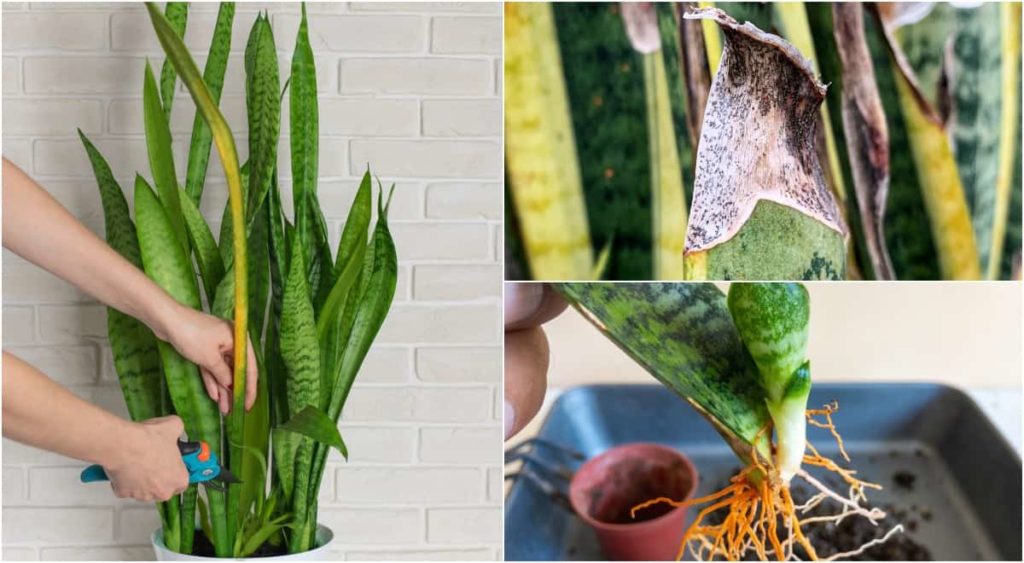
Check the leaves for signs of damage. Yellow, soft, or mushy leaves usually mean overwatering. Use clean scissors or pruning shears to cut these leaves off at the base. Removing damaged leaves reduces stress on the plant. It also stops the spread of decay to healthy parts.
Inspecting And Treating Roots
Carefully remove the plant from its pot to examine the roots. Healthy roots are firm and white. Rotten roots are dark, mushy, and smell bad. Trim away all rotten roots using sterile scissors. Treat the remaining roots with a fungicide to prevent infection. This step is key to saving the plant.
Repotting With Fresh Soil
Choose a pot with good drainage holes. Fill it with fresh, well-draining soil mix designed for succulents. Place the snake plant back into the pot. Avoid watering immediately after repotting. Let the soil dry for several days to encourage root healing. Fresh soil helps prevent future water issues.
Credit: lowlightleaf.com
Preventing Underwatering
Preventing underwatering is key to keeping your snake plant healthy. This plant stores water in its leaves, so it can survive some dryness. Still, it needs regular moisture to grow well and avoid stress. Knowing how to spot dry soil and setting a good watering routine helps avoid problems.
Recognizing Dry Soil Symptoms
Check the soil before watering. If the top 2 inches feel dry, it may need water. Leaves that curl or look wrinkled show signs of dryness. The plant might also grow slower or the tips turn brown. These signals mean the snake plant needs moisture soon.
Establishing A Consistent Water Schedule
Create a simple watering plan. Water your snake plant every 2 to 3 weeks during normal conditions. Use a small amount of water to keep the soil slightly moist, not soaked. Mark your calendar or set reminders to keep track. Consistency helps prevent the soil from drying out too much.
Adjusting Watering In Different Seasons
Water needs change with the seasons. During summer, water more often because heat dries soil faster. In winter, reduce watering to once a month. Cooler weather means the plant uses less water. Watch the soil and plant condition to adjust watering as needed.
Watering Best Practices
Proper watering is essential for a healthy snake plant. Following best practices prevents common issues like root rot and yellow leaves. Watering correctly keeps the plant strong and vibrant.
These simple steps help you maintain the right moisture level for your snake plant. Understanding how and when to water makes a big difference in its growth and health.
Watering Thoroughly But Infrequently
Water your snake plant deeply to reach the roots. Ensure water drains freely from the pot’s holes. Avoid light or frequent watering that keeps soil soggy. Deep watering encourages strong root development and avoids overwatering problems.
Allowing Soil To Dry Between Waterings
Let the soil dry out completely before watering again. Snake plants prefer dry conditions and resist wet feet. Check the top two inches of soil for dryness. Dry soil prevents root rot and keeps your plant healthy.
Using Room Temperature Water
Use water at room temperature to avoid shocking the plant. Cold water can stress roots and slow growth. Let tap water sit for a few hours to reach room temperature. This simple habit protects your snake plant from temperature stress.
Avoiding Water On Leaves
Keep water off the leaves to prevent rot and fungus. Water collects on leaves and causes spots or decay. Water only the soil, not the foliage. This practice reduces disease risk and keeps leaves healthy and clean.
Additional Care Tips
Watering is not the only factor to keep your snake plant healthy. Other care tips help your plant thrive and avoid watering problems. These tips focus on light, pot choice, seasonal watering, and avoiding over-caring. Each element supports proper watering and strong growth.
Optimal Light Conditions
Snake plants do well in indirect light. Bright, indirect sunlight helps the soil dry evenly. Avoid direct sun, which can scorch leaves. Low light slows growth and may cause overwatering issues. Place your plant near a window with filtered light for best results.
Choosing Between Terracotta And Plastic Pots
Terracotta pots absorb excess moisture, helping prevent root rot. They allow air to reach the roots better than plastic. Plastic pots hold moisture longer, which can lead to overwatering. Use pots with drainage holes to let water escape. Choose terracotta for better airflow and moisture control.
Seasonal Adjustments For Watering
Snake plants need less water in winter. Cooler temperatures slow growth, reducing water use. In summer, water more often but check soil dryness first. Adjust watering frequency with the season to avoid soggy soil or drought stress. Always test soil moisture before watering.
Avoiding Over-caring And Its Risks
Too much care can harm your snake plant. Frequent watering and fertilizing stress the plant. Over-caring leads to root rot and leaf damage. Keep a simple care routine with proper watering intervals. Trust your plant’s signals and avoid unnecessary treatment.
Reviving A Struggling Snake Plant
Reviving a struggling snake plant requires patience and careful attention. Signs of distress include yellowing leaves, mushy stems, and slow growth. These symptoms often point to watering problems. Correcting these issues can bring your snake plant back to life.
Trimming And Cleaning Damaged Parts
Start by cutting off any yellow or mushy leaves. Use clean, sharp scissors to avoid infections. Removing damaged parts helps the plant focus energy on healthy growth. Dispose of the cuttings to prevent disease spread.
Improving Soil And Drainage
Check the soil quality and pot drainage. Snake plants need well-draining soil to avoid root rot. Replace old soil with a cactus or succulent mix. Ensure the pot has drainage holes to let excess water escape easily.
Gradually Reintroducing Watering
Allow the soil to dry completely before watering again. Water the plant lightly and less often than before. Overwatering is a common cause of distress. Adjust watering frequency based on the plant’s needs and environment.
Monitoring For Recovery Signs
Watch for firm, green leaves and new growth. These signs show the plant is recovering well. Continue proper care and avoid sudden changes. Be patient; recovery may take several weeks.
Credit: www.bloomingbackyard.com

Credit: www.youtube.com
Frequently Asked Questions
How To Heal An Overwatered Snake Plant?
Stop watering immediately and let the soil dry completely. Remove damaged leaves and check roots for rot. Repot in well-draining soil if needed. Place the plant in bright, indirect light to aid recovery.
Should I Wipe Off Guttation?
Wipe off guttation droplets to prevent stains and mold growth on leaves and surfaces. Use a soft cloth gently.
Do Coffee Grounds Help A Snake Plant?
Coffee grounds can benefit a snake plant in small amounts. Mix them well into soil to avoid clumps and excess acidity.
How Do I Bring My Snake Plant Back To Health?
Water your snake plant only when soil is dry. Use well-draining cactus soil and bright, indirect light. Remove damaged leaves promptly.
Conclusion
Proper watering keeps your snake plant healthy and strong. Watch soil moisture carefully to avoid overwatering. Let the soil dry before watering again. Remove damaged leaves to help recovery. Use well-draining soil and the right pot for better care. Pay attention to light and seasonal changes too.
With simple steps, your snake plant will thrive. Stay patient and enjoy its growth.