If you’ve ever wanted a tough, stylish plant that adds a touch of green to your space without demanding constant attention, Sansevieria Patens is a perfect choice for you. This striking snake plant is not only easy to grow but also incredibly resilient, making it ideal whether you’re a seasoned gardener or just starting out.
But to truly enjoy its beauty and health, you need to know the right way to plant, grow, and care for it. Keep reading, and you’ll discover simple, effective tips that will help your Sansevieria Patens thrive and become a standout feature in your home or garden.
Choosing The Right Spot
Choosing the right spot for your Sansevieria Patens sets the stage for healthy growth. This plant thrives when placed in an environment that meets its specific needs. Picking a suitable location helps it grow strong and last long.
Consider the light, temperature, and humidity before settling on a place. These factors affect how well your Sansevieria Patens will do indoors or outdoors.
Light Requirements
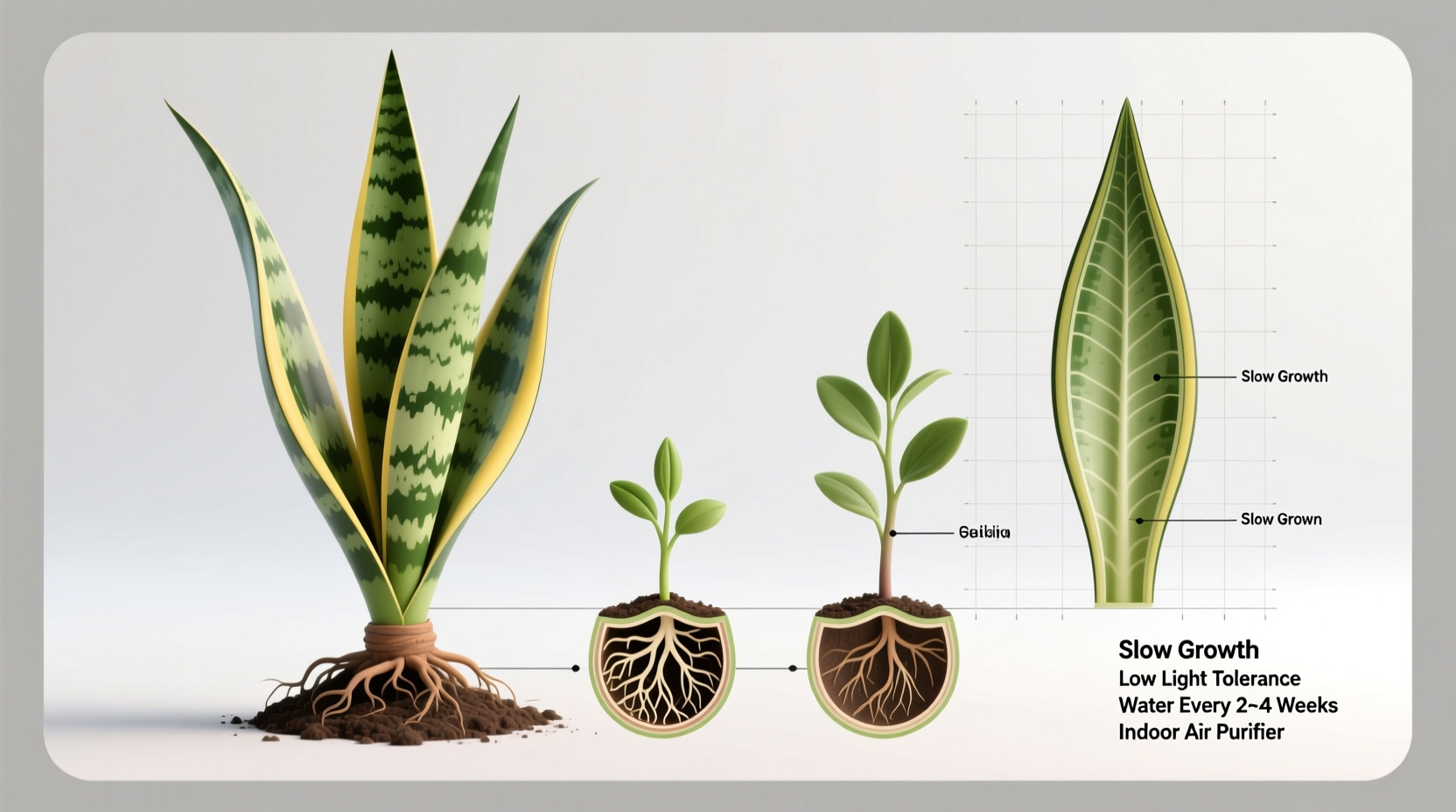
Sansevieria Patens prefers bright, indirect light for best growth. Too much direct sunlight can burn its leaves quickly. A spot near a north or east-facing window works well.
Low light areas are acceptable but slow down growth. Avoid placing the plant where harsh sun rays hit for long periods. Balanced light helps the leaves keep their rich green color.
Temperature And Humidity
This plant likes warm temperatures between 65°F and 85°F. It can tolerate slightly cooler spots but not below 50°F. Keep it away from drafts or sudden temperature changes.
Sansevieria Patens does well in average home humidity. It does not need extra moisture in the air. Dry air is fine, but avoid very damp places to prevent root problems.
Credit: plantin.alibaba.com
Selecting Soil And Pots
Selecting the right soil and pot is key to growing a healthy Sansevieria Patens. This plant thrives in well-draining soil and needs a pot that prevents water from staying too long. Choosing the correct combination helps avoid root rot and supports steady growth.
Soil Types To Use
Sansevieria Patens prefers soil that drains quickly. Use cactus or succulent potting mix. These mixes have sand or perlite to improve drainage. Avoid heavy garden soil or peat-based mixes. They hold too much moisture, which can harm roots. A blend of regular potting soil with added sand or perlite works well. The soil should feel light and airy to touch.
Pot Selection And Drainage
Choose pots with drainage holes at the bottom. Drainage holes let extra water escape easily. This stops water from pooling and causing root rot. Terracotta pots are a good choice. They are porous and help soil dry faster. Plastic pots work too, but be sure they have holes. Avoid pots without drainage holes. These pots trap water and hurt the plant.
Planting Sansevieria Patens
Planting Sansevieria Patens is the first step to growing a healthy, attractive plant. This species thrives in well-draining soil and bright, indirect light. Proper planting ensures strong roots and steady growth.
Choose the right location and soil to help your Sansevieria Patens settle in quickly. Follow simple steps for transplanting to avoid stress to the plant.
Preparing The Planting Site
Select a spot with bright, indirect sunlight. Avoid direct sun that can burn leaves. Use a container with drainage holes or a garden bed with loose, sandy soil.
Mix potting soil with sand or perlite to improve drainage. Sansevieria Patens hates soggy soil, which causes root rot. Make sure the soil feels dry before watering.
Clear the area of weeds and debris. Loosen the soil to allow roots to spread easily. Prepare the hole twice as wide as the root ball.
Transplanting Tips
Handle the plant gently to protect its roots. Remove it carefully from its old container. Shake off excess soil without damaging roots.
Place the plant in the prepared hole at the same depth it grew before. Fill around the roots with soil, pressing lightly to remove air pockets.
Water the plant well after planting. Keep the soil moist but not wet for the first two weeks. This helps the roots settle in and grow strong.
Credit: highlandmoss.com
Watering Techniques
Watering Sansevieria Patens is crucial for its health. This plant prefers moderate watering and well-draining soil. Overwatering can cause root rot, so knowing the right amount is important. Below are key watering techniques to help your plant thrive.
Frequency And Amount
Water Sansevieria Patens every 2 to 4 weeks during growing seasons. Let the soil dry out completely between watering sessions. In winter, reduce watering to once a month or less. Use small amounts of water to avoid saturating the soil. Ensure water reaches the roots but does not pool at the base.
Signs Of Overwatering
Watch for yellowing or soft leaves as signs of too much water. Mushy roots or a foul smell from the soil also indicate overwatering. Leaves may become limp or develop brown tips. If these signs appear, stop watering and let the soil dry out. Repotting with fresh soil can save the plant if root rot occurs.
Fertilizing Your Plant
Fertilizing Sansevieria Patens helps the plant grow strong and healthy. It provides essential nutrients that the soil might lack. Proper feeding supports vibrant leaves and robust roots. Fertilizing also encourages steady growth during active seasons.
Choosing the right fertilizer and feeding your plant on time improves its overall health. Avoid over-fertilizing, which can harm the plant. Light feeding is best for Sansevieria Patens.
Best Fertilizers For Growth
Use a balanced, water-soluble fertilizer with equal N-P-K values, such as 10-10-10. This provides nitrogen, phosphorus, and potassium in proper amounts. Organic fertilizers like worm castings or compost tea work well too. They release nutrients slowly and improve soil quality. Avoid high-nitrogen fertilizers, which may cause weak, leggy growth.
Fertilizers with micronutrients like magnesium and iron support leaf color and strength. Slow-release pellets are convenient for long-term feeding. Choose products designed for indoor plants or succulents.
Feeding Schedule
Feed Sansevieria Patens once a month during spring and summer. These are the plant’s active growing months. Reduce feeding in fall and stop in winter. The plant enters dormancy and needs fewer nutrients.
Always water your plant before applying fertilizer. This prevents root burn and helps nutrient absorption. Use half the recommended strength of fertilizer to avoid overfeeding. Monitor the plant’s response and adjust feeding if needed.
Encouraging Growth
Encouraging growth in your Sansevieria Patens helps keep the plant healthy and vibrant. This process involves simple care steps that support strong leaves and new shoots. Proper attention to pruning and promoting growth can make your plant thrive.
Pruning Dead Leaves
Remove dead or yellow leaves to keep the plant healthy. Use clean scissors to cut leaves at the base. This prevents disease and pests from spreading. Pruning also helps the plant focus energy on new growth. Check your plant regularly for any damaged leaves.
Promoting New Shoots
New shoots appear from the base of the plant, signaling healthy growth. Provide bright, indirect light to stimulate new shoots. Avoid direct sunlight that can burn leaves. Water the plant moderately and allow soil to dry between waterings. Use a balanced fertilizer during growing season for better shoot development.
Propagating Sansevieria Patens
Propagating Sansevieria Patens is a simple and rewarding way to grow new plants. This method helps expand your collection or share with friends. Two popular ways to propagate include division and leaf cuttings. Both methods are easy and require minimal tools.
Division Method
The division method involves separating the plant at its roots. Carefully remove the plant from its pot. Gently shake off excess soil to expose the root system. Look for natural divisions or clusters of leaves with roots.
Use a clean knife to cut between the clusters. Each division should have roots and leaves attached. Plant each division in its own pot with well-draining soil. Water lightly and keep in indirect sunlight. New growth should appear within a few weeks.
Leaf Cuttings
Leaf cuttings are another popular way to propagate Sansevieria Patens. Choose a healthy, mature leaf and cut it near the base. Cut the leaf into 3-4 inch sections. Make sure to remember which end is the bottom.
Allow the cut sections to dry for a few days. This helps prevent rot by sealing the cut edges. Plant the bottom end of each section into moist, well-draining soil. Keep the soil lightly moist and place the pot in indirect sunlight. Roots will form in a few weeks, followed by new shoots.
Preventing And Treating Pests
Pests can harm your Sansevieria patens and slow its growth. Early care helps keep pests away. Watch your plant regularly and act quickly if you see bugs. Clean leaves and avoid overwatering to reduce pest risks. Healthy plants resist pests better. Use safe methods to remove insects without damaging your plant.
Common Pests To Watch For
Spider mites are tiny but cause leaf damage. They create webbing under leaves. Mealybugs appear as white cottony spots on leaves and stems. Scale insects look like small brown bumps on leaves. These bugs suck sap and weaken the plant. Aphids can also attack, leaving sticky residue. Check your Sansevieria patens often, especially under leaves and near the soil.
Natural Pest Control
Remove pests by wiping leaves with a damp cloth. Use insecticidal soap spray to kill bugs safely. Neem oil works well against many pests and is non-toxic to pets. Introduce natural predators like ladybugs to your garden. Keep the plant area clean and free of dead leaves. Avoid chemical pesticides that may harm your Sansevieria and the environment.
Handling Common Issues
Sansevieria patens is a tough plant, yet it can face some common problems. Proper care helps keep your plant healthy and vibrant. Recognizing issues early prevents long-term damage. Below are tips for handling frequent challenges with this resilient houseplant.
Root Rot Prevention
Root rot happens when soil stays too wet for too long. Use a well-draining potting mix designed for succulents or cacti. Choose pots with drainage holes to let excess water escape. Water the plant only when the top inch of soil feels dry. Avoid leaving your plant in standing water. If repotting, remove any mushy or dark roots immediately. Good airflow around the plant also helps keep roots healthy.
Dealing With Leaf Discoloration
Leaf discoloration can signal watering or light problems. Yellow leaves usually mean overwatering or poor drainage. Brown tips often show up from underwatering or dry air. Place Sansevieria patens in bright, indirect light to avoid leaf burn. Avoid direct sunlight, which can cause brown patches. Check soil moisture regularly and adjust watering as needed. Clean leaves gently to remove dust and allow better light absorption.
Repotting Guidelines
Repotting Sansevieria Patens is essential for its health and growth. This plant thrives best when given space to expand its roots. Repotting also refreshes the soil, providing new nutrients. Proper timing and careful steps ensure the plant stays strong and vibrant.
When To Repot
Repot Sansevieria Patens every 2 to 3 years. Signs to repot include roots growing out of drainage holes. The plant may look crowded or stop growing. Choose spring or early summer for repotting. This helps the plant recover quickly.
Steps For Repotting
First, select a pot one size larger with drainage holes. Prepare fresh, well-draining soil mix. Gently remove the plant from its current pot. Loosen the roots carefully without damaging them. Place the plant in the new pot. Fill around the roots with soil and press lightly. Water the plant moderately after repotting. Keep it out of direct sunlight for a few days. This reduces stress and helps it adjust.

Credit: www.dreamstime.com
Frequently Asked Questions
What Kills Sansevieria?
Overwatering and poor drainage kill Sansevieria by causing root rot. Avoid soggy soil and water only when dry.
How To Encourage Growth In Sansevieria?
Place Sansevieria in bright, indirect light and use well-draining soil. Water only when soil is dry to encourage healthy growth.
Are Coffee Grounds Good For Snake Plants?
Coffee grounds can be used sparingly for snake plants as a mild fertilizer. Avoid overuse to prevent soil acidity and root damage.
Is Miracle-gro Good For Snake Plants?
Miracle-Gro works well for snake plants if diluted properly. Use a balanced, water-soluble fertilizer every 6-8 weeks during growth. Avoid over-fertilizing to prevent root damage.
Conclusion
Sansevieria patens thrives with simple care and proper planting. Choose well-draining soil and a bright, indirect light spot. Water only when the soil feels dry to avoid root rot. Regularly check your plant for pests or signs of stress. With patience, this hardy plant adds beauty and air-purifying benefits to any space.
Enjoy watching your Sansevieria patens grow strong and healthy over time.