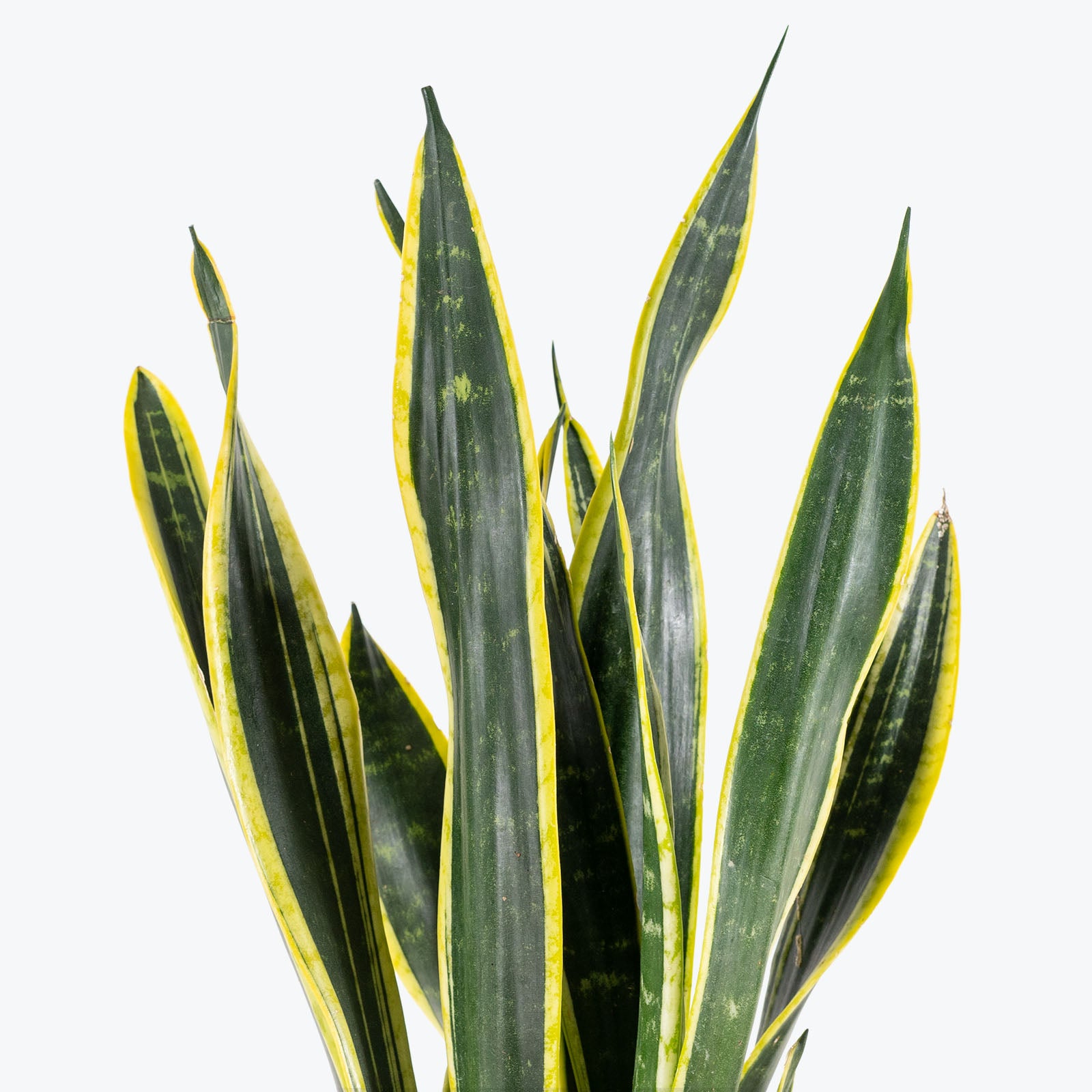
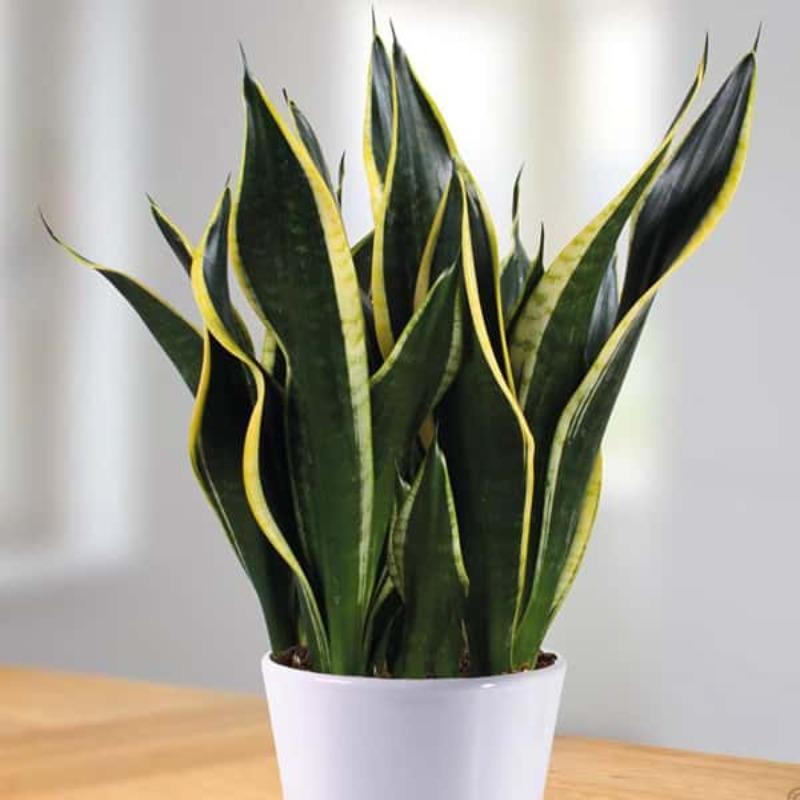
If you want a striking, low-maintenance plant that adds a touch of elegance to your space, the Sansevieria Black Gold is a perfect choice. This unique snake plant boasts dark green leaves edged with vibrant golden-yellow, making it a standout in any room or garden.
But to keep your Black Gold thriving and looking its best, you need to know how to plant, grow, and care for it properly. In this guide, you’ll discover simple yet effective tips that make caring for this beautiful plant easy, even if you’re new to houseplants.
Ready to transform your home with this stunning, hardy plant? Keep reading to learn everything you need to know.
Choosing The Right Pot And Soil
Choosing the right pot and soil is crucial for the health of your Sansevieria Black Gold. These plants prefer conditions that prevent water from sitting at the roots. Proper drainage and soil mix keep the plant happy and thriving. Picking suitable materials helps avoid root rot and other common problems.
Selecting A Well-draining Pot
Use a pot with drainage holes at the bottom. This allows excess water to escape easily. Terracotta pots are ideal because they absorb moisture and breathe. Avoid pots that hold water like ceramic without drainage. Size the pot just big enough for the roots to grow. Too large pots can cause water to stay too long in the soil.
Best Soil Mix For Sansevieria Black Gold
Choose a soil mix that drains quickly and holds some moisture. A good mix includes one part potting soil, one part coarse sand, and one part perlite. This blend provides air to the roots and prevents soggy conditions. Avoid heavy garden soil or pure peat moss. Both retain too much water and can harm the plant.
Credit: jomostudio.com
Planting Sansevieria Black Gold
Planting Sansevieria Black Gold sets the foundation for a healthy, vibrant plant. This striking snake plant thrives with the right soil, space, and care. Proper planting helps the roots grow strong and prevents common problems like root rot. Follow simple steps to prepare the area and plant your Sansevieria Black Gold correctly.
Preparing The Planting Area
Choose a well-draining pot or garden spot with good airflow. Use a mix of potting soil, sand, and perlite for best results. This blend prevents water from pooling around roots. Make sure the container has drainage holes to avoid water buildup. Clear the area of debris and weeds to reduce pests. Keep the soil loose to help roots spread easily.
Proper Planting Techniques
Remove the Sansevieria Black Gold from its nursery pot gently. Loosen the root ball slightly to encourage growth. Place the plant in the center of the new container or soil bed. Fill around the roots with soil mix, pressing lightly to hold the plant upright. Avoid burying the leaves or stem too deep. Water the plant lightly after planting to settle the soil. Keep the soil moist but not soaked during the first weeks.
Light Requirements
The Sansevieria Black Gold thrives under specific light conditions that support its growth and vibrant colors. Understanding its light needs helps keep the plant healthy and strong. Light affects its leaf color, size, and overall vitality.
Ideal Light Conditions
Sansevieria Black Gold prefers bright, indirect light. Place it near a window with filtered sunlight. Too much direct light can scorch the leaves, causing brown tips or spots. Bright, indirect light helps the leaves keep their rich green and gold tones. This light level encourages steady growth and strong leaves.
Tolerating Low Light And Direct Sun
This plant is tough and adapts well to lower light levels. It can survive in shaded corners or rooms with minimal natural light. Growth slows down, but the plant stays alive. Avoid prolonged exposure to direct sunlight, which can burn the leaves. Short periods of morning sun are usually safe but watch for leaf damage. Sansevieria Black Gold is perfect for many indoor spaces due to its flexibility.
Credit: gardengoodsdirect.com
Watering Tips
Proper watering is essential for the health of your Sansevieria Black Gold. This plant thrives with the right amount of moisture. Too much or too little water can cause damage. Follow these watering tips to keep your snake plant happy and healthy.
Watering Frequency
Sansevieria Black Gold prefers dry soil between waterings. Water the plant every two to three weeks. Increase watering during warmer months. Reduce watering in winter when growth slows. Always check soil moisture before watering. The top inch of soil should feel dry. Avoid watering on a strict schedule without checking soil first.
Avoiding Overwatering
Overwatering is the main cause of root rot in Sansevieria. Use a well-draining pot and soil mix. Let excess water drain fully after watering. Never let the plant sit in standing water. Yellowing leaves or mushy roots signal too much water. If overwatered, allow soil to dry out completely before watering again. Proper drainage and careful watering prevent most problems.
Temperature And Humidity
Sansevieria Black Gold thrives best under specific temperature and humidity conditions. These factors affect its growth, health, and appearance. Maintaining the right environment ensures your plant stays strong and vibrant.
Optimal Temperature Range
The ideal temperature for Sansevieria Black Gold is between 70°F and 90°F. It can tolerate slightly cooler temperatures but avoid below 50°F. Cold drafts or sudden temperature drops can harm the leaves. Keep your plant away from heaters or air conditioners. Consistent warmth promotes steady growth and prevents stress.
Humidity Preferences
Sansevieria Black Gold prefers low to moderate humidity. It adapts well to dry indoor air, making it perfect for most homes. High humidity is not necessary and may cause root rot if soil stays wet. Ensure good air circulation around the plant. This prevents mold and keeps leaves healthy and firm.
Credit: greg.app
Fertilizing Sansevieria Black Gold
Fertilizing Sansevieria Black Gold helps keep the plant healthy and vibrant. This plant grows slowly and does not need much fertilizer. Too much fertilizer can harm its roots and leaves. Use the right type and amount of fertilizer for the best results.
Choosing The Right Fertilizer
Select a balanced, water-soluble fertilizer. A 10-10-10 or 20-20-20 formula works well. Avoid fertilizers with high nitrogen. High nitrogen can cause weak, leggy growth. Look for fertilizers made for indoor plants or succulents. Organic options like fish emulsion are gentle and effective. Always dilute the fertilizer to half strength to prevent burning the roots.
Feeding Schedule
Feed Sansevieria Black Gold during the growing season. This period runs from spring to early fall. Fertilize once every 4 to 6 weeks. Skip fertilizing in winter when the plant rests. Overfeeding can cause leaf damage and slow growth. Water the plant before applying fertilizer to protect the roots. Follow the feeding schedule to keep your plant strong and beautiful.
Pruning And Maintenance
Pruning and maintenance keep your Sansevieria Black Gold healthy and attractive. Regular care prevents problems and promotes strong growth. These steps are easy and quick.
Removing Dead Or Damaged Leaves
Check your plant often for dead or damaged leaves. Use clean, sharp scissors to cut them off. Cut as close to the base as possible. This helps the plant focus energy on healthy leaves. Removing damaged leaves also stops pests and diseases from spreading.
Encouraging Healthy Growth
Trim leaves that grow too tall or uneven. This keeps the plant balanced and neat. Remove old, yellowing leaves to make room for new ones. Avoid cutting too much at once; leave enough leaves for photosynthesis. Clean the leaves gently with a damp cloth to remove dust. This helps the plant absorb light better.
Propagation Methods
Propagation is a great way to multiply your Sansevieria Black Gold plants. This plant grows new shoots that can become separate plants. There are simple methods to propagate it at home. You can try division or leaf cuttings. Both are effective and easy for beginners. Each method has its own steps and tips for success.
Division
Division is the quickest way to get new plants. Carefully remove the plant from its pot. Shake off excess soil to see the root system. Look for natural clumps or sections with roots and leaves. Use a clean knife or your hands to separate these sections. Each section should have some roots attached. Plant the divisions in fresh, well-draining soil. Water lightly and place them in bright, indirect light. New growth will appear in a few weeks.
Leaf Cuttings
Leaf cuttings take longer but are a fun way to propagate. Choose a healthy, mature leaf from the plant. Cut it near the base with a sharp, clean knife. Let the cut leaf dry for a day to form a callus. Plant the cut end in moist, well-draining soil. Keep the soil slightly damp but not wet. Place the pot in a warm spot with indirect light. Roots will start to form in a few weeks. New plants will grow from the base of the leaf.
Repotting Guidelines
Repotting Sansevieria Black Gold is a key part of its care. It helps the plant grow strong and stay healthy. Knowing the right time and method makes repotting easier. This guide shares clear steps for successful repotting.
When To Repot
Repot the plant every 2 to 3 years. Watch for roots growing out of drainage holes. Leaves may look crowded or stop growing. These signs mean the plant needs more space. Choose spring or early summer for repotting. The plant recovers faster in warm months.
Steps For Successful Repotting
Start by picking a pot one size larger than the current one. Make sure it has drainage holes. Use a well-draining soil mix with sand or perlite. Gently remove the plant from its pot. Shake off old soil from the roots carefully.
Place some fresh soil in the new pot. Set the plant in the center. Fill around the roots with soil, pressing lightly. Avoid burying the leaves. Water the plant lightly after repotting. Keep it in indirect light for a few days.
Do not overwater. Let the soil dry between watering. This prevents root rot and helps the plant adjust well.
Common Problems And Solutions
Sansevieria Black Gold is a hardy plant but faces common issues. These problems can affect its growth and appearance. Recognizing them early helps save the plant and keep it healthy. This section covers typical problems and their easy solutions.
Pest Control
Spider mites and mealybugs often attack Sansevieria Black Gold. They cause yellow spots and weaken the leaves. Use a soft cloth dipped in soapy water to wipe leaves gently. Repeat weekly until pests disappear. In severe cases, apply insecticidal soap following product instructions. Keep the plant clean and avoid overwatering to prevent pests.
Dealing With Root Rot
Root rot happens when the soil stays too wet for long. It makes roots soft, brown, and smelly. Remove the plant from the pot carefully. Cut away all damaged roots with sterile scissors. Repot in fresh, well-draining soil mixed with sand or perlite. Water sparingly and let the soil dry between watering. Good drainage and less water stop root rot from returning.
Frequently Asked Questions
How Do You Take Care Of A Black Gold Snake Plant?
Place your Black Gold snake plant in bright, indirect light. Use well-draining soil and water only when soil is dry. Avoid overwatering. Maintain temperatures between 60-85°F. Fertilize monthly during growing season. Remove dead leaves to promote healthy growth.
What To Add To My Snake Plant To Make It Grow?
Add well-draining soil mixed with perlite or sand and peat to your snake plant. Provide bright, indirect light and water sparingly. Use a balanced, diluted fertilizer monthly during growing season for best growth.
How Tall Does Sansevieria Black Gold Get?
Sansevieria Black Gold typically grows between 3 to 4 feet tall. It thrives in bright, indirect light and well-draining soil.
Are Coffee Grounds Good For Snake Plants?
Coffee grounds can be used sparingly for snake plants. They add nutrients but may cause soil acidity if overused. Mix well with soil.
Conclusion
Sansevieria Black Gold is a strong and beautiful plant. It grows well with bright, indirect light and well-draining soil. Water it only when the soil is dry to avoid root rot. This plant adds a touch of green and gold to any space.
With simple care, it will stay healthy and vibrant. Enjoy watching your Sansevieria grow and brighten your home. Keep its needs in mind, and it will thrive for years.